Why Consistency Is a Competitive Advantage in UX/UI (and Why Most Products Fail at It)
Consistency is often misunderstood as a visual preference. In UX/UI design, it is a strategic mechanism that directly influences how a product is perceived, remembered, and trusted.
Most product teams aim for consistency but fail to sustain it. The issue is not awareness. It is execution. Maintaining consistency across a growing organization requires more than a UI kit. It requires design systems, cross-functional alignment, and disciplined execution.
The importance of consistency begins with how humans process digital interfaces. The brain relies on repetition to recognize patterns. When a product presents consistent interactions, layouts, and visual language, it becomes easier to navigate. This reduces cognitive load and increases usability.
Familiarity is a key driver of user trust. People tend to trust what they recognize. When a product feels inconsistent, it creates uncertainty. Users question whether they are interacting with the same experience. This weakens confidence and increases drop-off rates.
Consistency also affects retention. In competitive markets, users interact with multiple products daily. The ones that maintain a clear and repeated interaction pattern are more likely to become habitual. Inconsistent products fade into frustration.
Despite these advantages, most products struggle with consistency. One reason is organizational complexity. As product teams grow, more people contribute to the UI. Engineers, product managers, and designers each have their own priorities. Without a unifying design system, divergence becomes inevitable.
Another factor is speed. Teams often prioritize shipping velocity over alignment. They adapt components to fit immediate needs, creating small inconsistencies. Over time, these deviations accumulate and weaken the overall user experience.
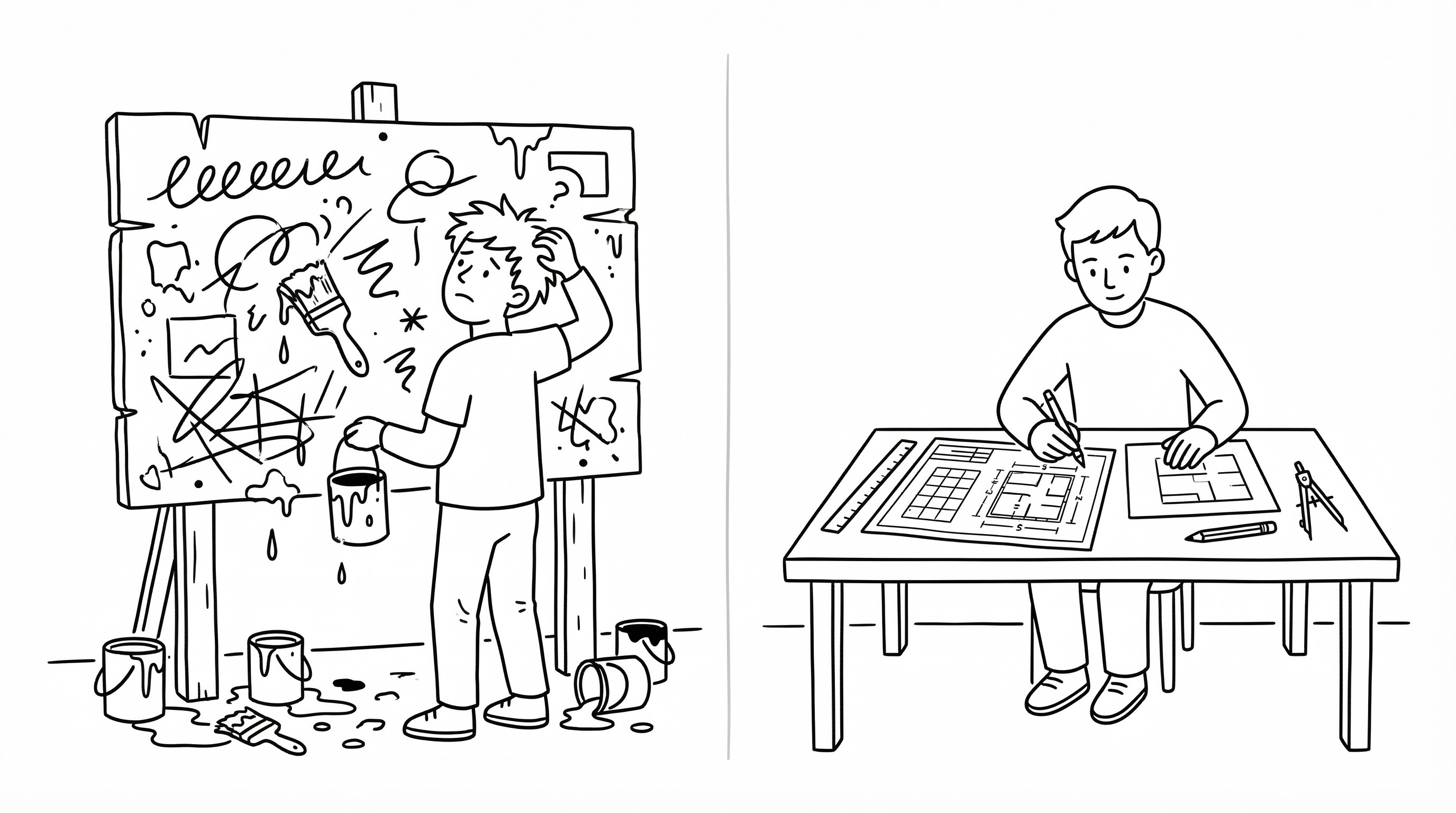
There is also a misconception that consistency limits creativity. This leads teams to introduce unnecessary variation. In reality, creativity within a well-defined design system produces stronger outcomes. It ensures that innovation reinforces the product rather than confusing users.
A deeper issue is the lack of ownership. When no single function is responsible for maintaining the design system, accountability becomes unclear. This results in fragmented UI execution and technical debt.
To build consistency, the first requirement is a clear design system. This includes defined rules for typography, color, spacing, component behavior, and interaction patterns. More importantly, it includes principles that guide decision-making for new features.
The second requirement is accessibility. The design system must be easy for engineers and product managers to use. If teams find it complicated or restrictive, they will bypass it. Clear documentation, component libraries, and practical examples are essential.
The third requirement is governance. There must be mechanisms to review and maintain quality. This can include design reviews, component approval workflows, and regular audits. Without governance, consistency degrades over time.
Another important element is cultural alignment. Product teams need to understand why consistency matters. When they see it as a strategic advantage rather than a constraint, adoption improves.
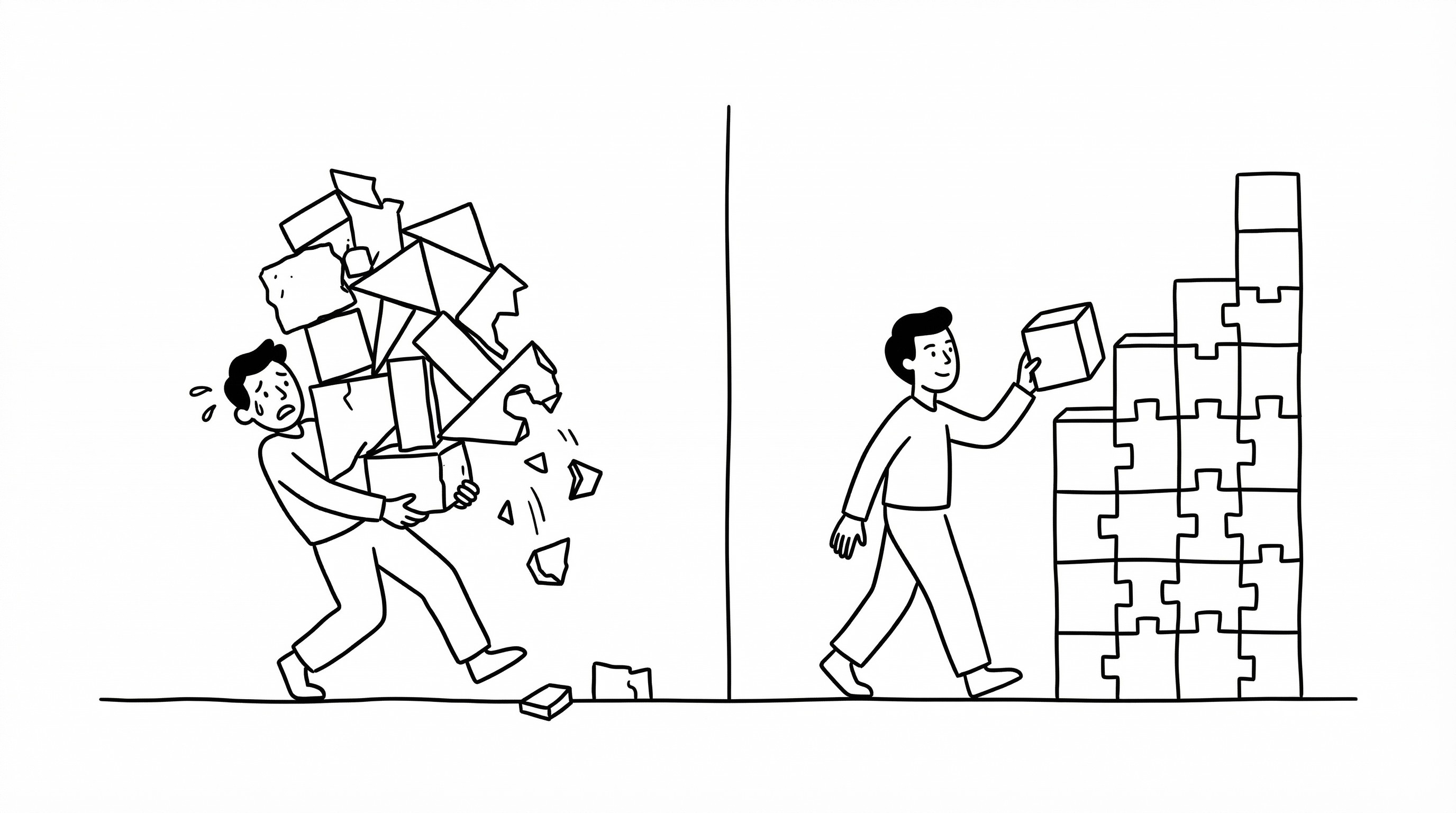
From a competitive perspective, consistency creates compounding value. Each interaction reinforces the previous one. Over time, the product becomes more intuitive and more trusted.
In contrast, inconsistency resets user learning. Each variation forces the user to re-learn how to interact. This increases cognitive load and reduces efficiency.
There is also an economic dimension. Consistent design systems reduce development time. Engineers can reuse components instead of building new ones. This increases shipping speed and lowers maintenance costs.
One of the highest leverage points is defining core interaction patterns. Most user journeys follow repeatable structures. Standardizing navigation, form layouts, and feedback states creates immediate consistency across the product.
Another leverage point is limiting variation. Not every element needs to be flexible. Focusing variation in controlled areas allows the product to remain dynamic without losing coherence.
There are risks to consider. Over-standardization can lead to rigidity. The product may become predictable and fail to innovate. The goal is balance. Consistency should provide stability, not stagnation.
Another risk is superficial consistency. A product may appear consistent visually but lack interaction coherence. True consistency extends beyond colors and fonts. It includes micro-interactions, error handling, loading states, and content structure.
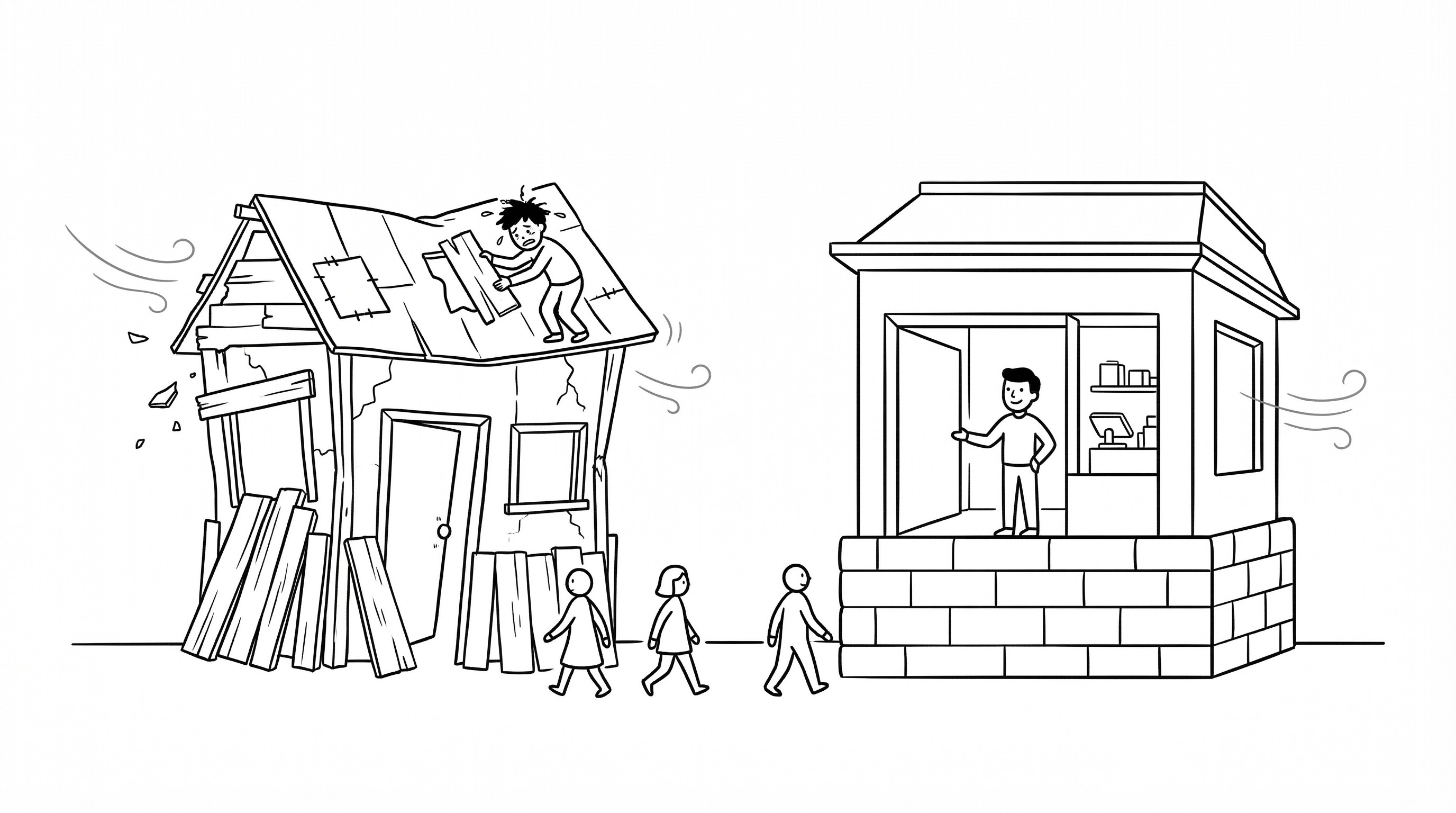
Top-performing product teams treat consistency as a discipline. They invest in design systems and enforce them over time. This creates a stable foundation for growth.
Average teams treat consistency as a guideline. They follow it when convenient and ignore it when shipping pressure increases. This leads to gradual fragmentation.
The difference becomes visible at scale. Strong products maintain a clear, predictable experience across all surfaces. Weak products feel different in every flow.
Ultimately, consistency in UX/UI is not about repetition for its own sake. It is about reinforcing a clear interaction model over time. It reduces uncertainty, builds user trust, and increases retention.
In competitive markets, these factors are not optional. They are essential.
Consistency does not create immediate impact. It creates sustained advantage. And that is what separates products that grow from those that fade.