The Hidden ROI of UX/UI: Why Strong Design Systems Outperform in Any Market Cycle
UX/UI design is commonly treated as a visual upgrade or a finishing layer. In financial terms, it is often categorized as a cost center. This perspective is fundamentally flawed. When executed correctly, design operates as a multiplier across multiple business functions.
The misunderstanding begins with how ROI is measured. Most companies look for direct, short-term returns from design investments. They expect immediate increases in conversion or engagement. While these outcomes can occur, they only represent a fraction of the total impact.
The real value of UX/UI is systemic. It influences how a product is perceived, how clearly it communicates functionality, and how consistently it operates across platforms and devices. These factors compound over time, creating advantages that are difficult to replicate.
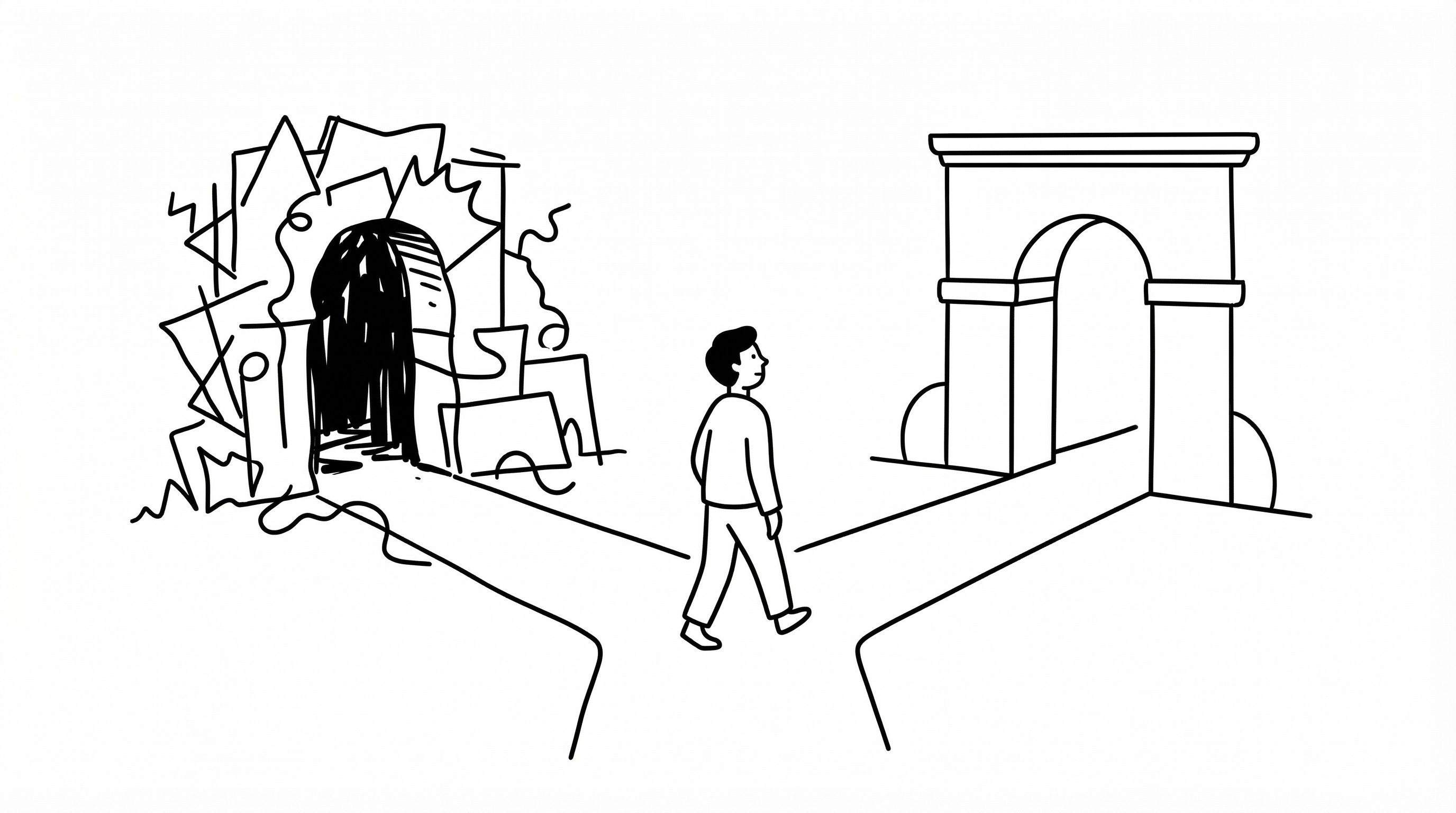
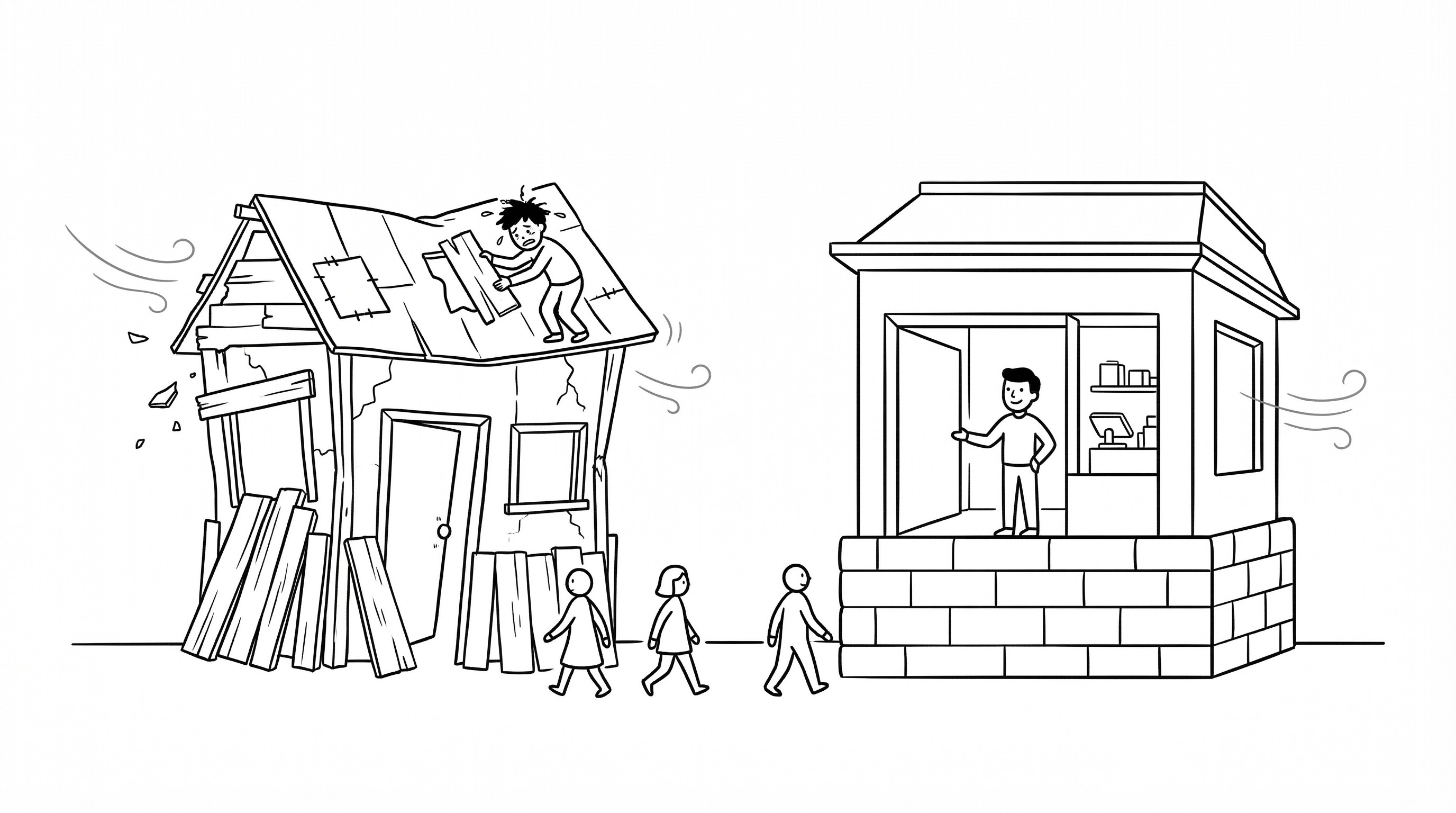
In stable market conditions, weak user experience can be masked by demand. When customers are actively buying, even poorly designed products can perform. However, during downturns or competitive pressure, these weaknesses become visible. Products without strong UX systems struggle to maintain trust and usability.
This is where UX/UI becomes a differentiator. A well-structured design system creates consistency. Consistency builds familiarity. Familiarity builds trust. Trust reduces decision friction and lowers cognitive load. This chain directly impacts revenue, retention, and user satisfaction, even if the connection is not immediately visible.
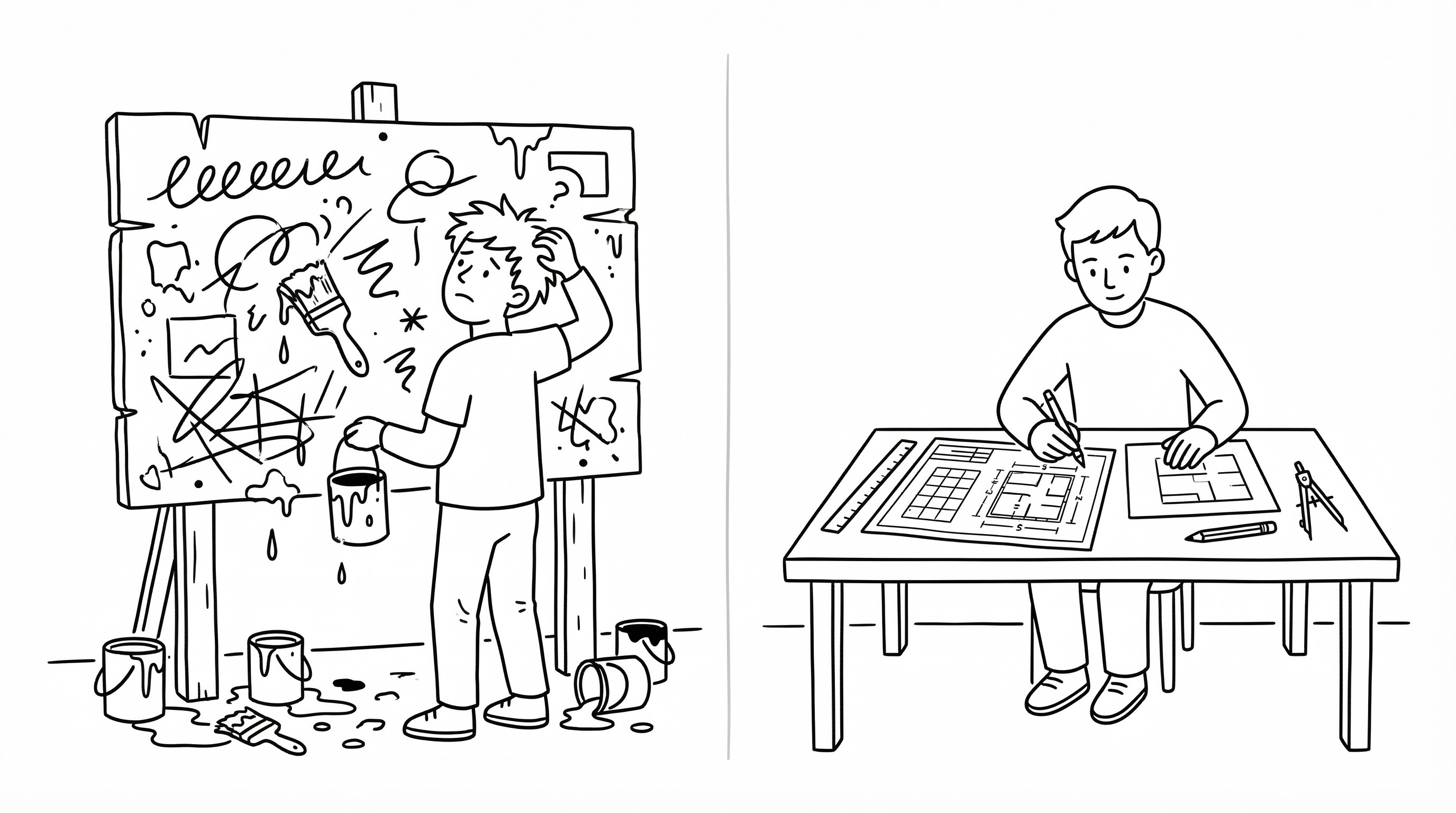
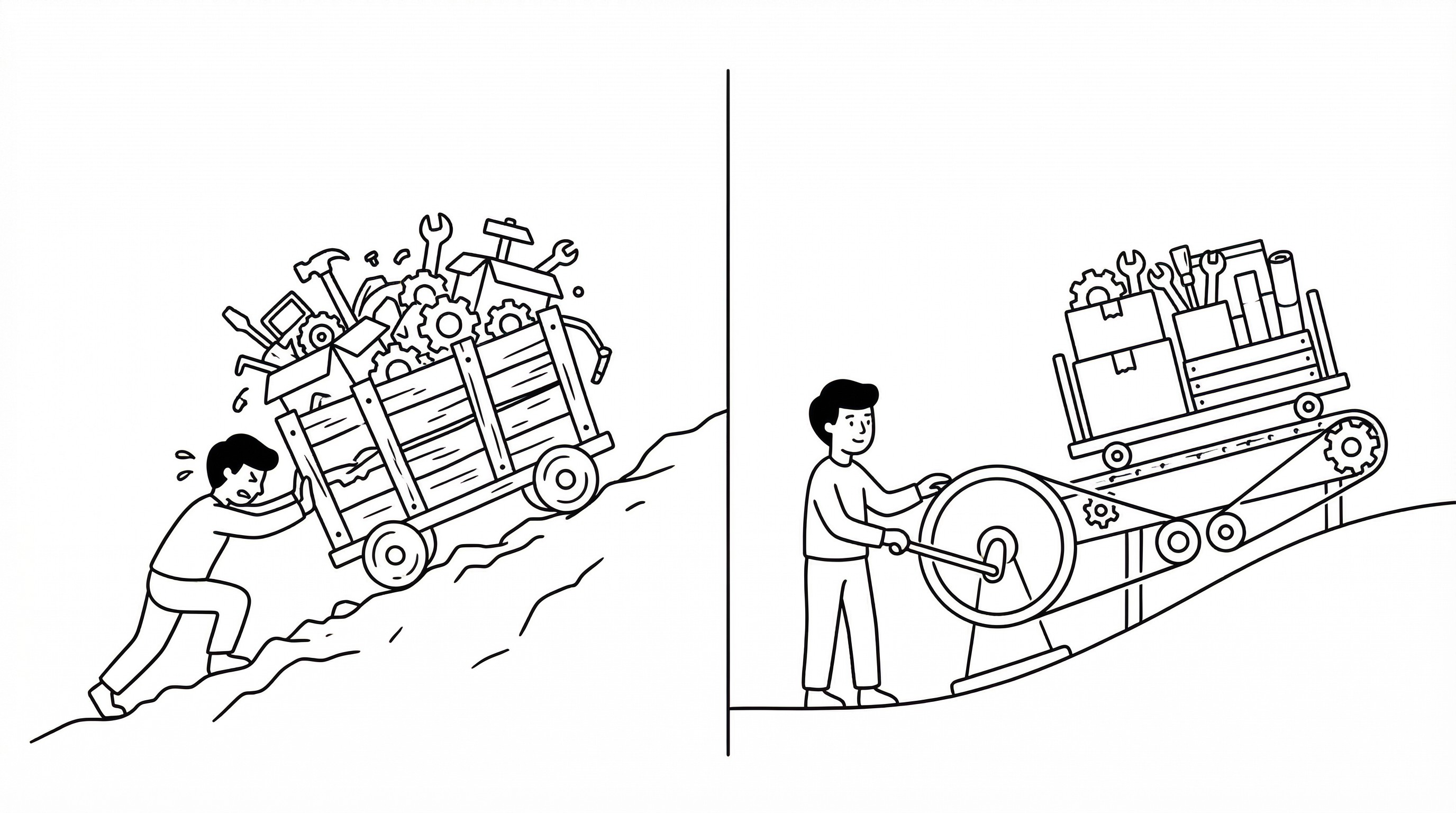
Another layer of ROI comes from operational efficiency. Without a clear design system, product and engineering teams spend excessive time making interface decisions. Each new feature or screen requires reinvention. This slows down execution, increases development costs, and creates technical debt.
A strong design system reduces this friction. It provides predefined components, interaction patterns, and accessibility standards, allowing teams to execute quickly without compromising quality. Over time, this creates a compounding efficiency advantage across design, engineering, and product management.
UX/UI also affects pricing power and perceived value. Products that communicate clarity, reliability, and ease of use are perceived as more valuable. This allows companies to command higher prices without increasing development costs. In contrast, products with poor usability often compete on price, reducing margins and brand equity.
There is also a direct impact on customer retention. Clear and consistent interface design improves user experience. It reduces confusion, minimizes errors, and increases satisfaction. Users are more likely to stay with products they understand and trust. Retention, in many cases, is more valuable than acquisition, and it is directly influenced by the quality of the UX.
A critical but often overlooked factor is cross-functional alignment. UX/UI acts as a unifying layer across different functions. Product, engineering, marketing, and sales all rely on consistent user experiences. When the design system is strong, these functions align naturally. When it is weak, each function operates independently, creating fragmentation, misaligned priorities, and inconsistent user touchpoints.
From a market perspective, trends amplify these dynamics. As digital products become more saturated, visual differentiation alone is not enough. Users are exposed to higher volumes of interfaces and make faster decisions. Products that communicate clearly through intuitive UX have a structural advantage.
Another trend is the increasing complexity of digital environments. Products now operate across multiple platforms, devices, and user contexts simultaneously. This increases the need for a cohesive design system. A fragmented user experience becomes more noticeable and more damaging to trust.
There is also a shift in how trust is built. Traditional signals such as brand size or longevity are less visible in digital contexts. Instead, users rely on immediate perception. UX/UI quality becomes one of the primary signals of credibility, reliability, and professionalism.
Despite these factors, many companies still underinvest in design systems. The reason is simple. The benefits are distributed and long-term, while the costs are immediate. This creates a bias toward short-term decisions and reactive design work.
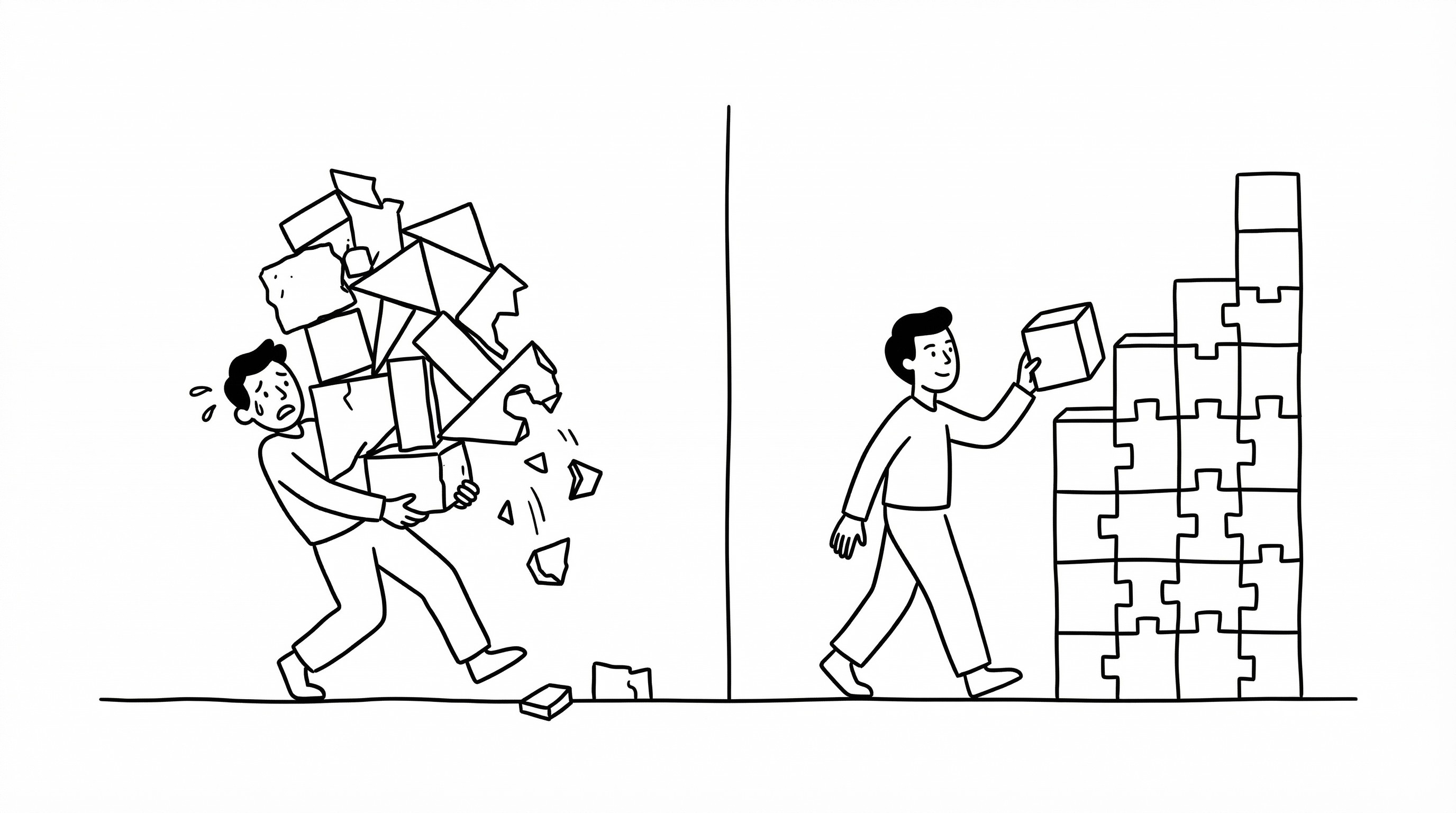
Top-performing companies approach this differently. They treat UX/UI as infrastructure. They invest in systems that support growth rather than isolated screens or one-off features. This allows them to maintain consistency, usability, and velocity even as they scale products and teams.
Average companies focus on surface-level improvements. They redesign interfaces or update visual styles without addressing underlying interaction logic or information architecture. This creates temporary improvements but does not generate sustained value.
One of the highest leverage points in UX/UI ROI is consistency. It is not the most visually striking products that win over time. It is the most consistent ones. Consistency reinforces mental models, reduces learning curves, and builds familiarity, which are critical for user adoption and retention.
Another leverage point is clarity. In environments with high information density and competing attention, clarity becomes a competitive advantage. Products that communicate simply, reduce cognitive load, and guide users intuitively will outperform those that require effort to navigate.
There are also risks to consider. Over-investment in visual aesthetics without strategic alignment to user needs can create false confidence. A product may look polished but fail to deliver real value. This eventually leads to a breakdown in trust and increased churn.
Another risk is rigidity. While consistency is important, design systems must remain adaptable. User needs evolve, markets shift, and products must grow. The challenge is maintaining coherence while allowing for controlled, iterative evolution.
From a strategic standpoint, a top-tier approach focuses on long-term value creation. UX/UI decisions are evaluated based on their impact over time, not just immediate metrics. This requires patience, discipline, and a commitment to foundational work over quick fixes.
In contrast, short-term thinking prioritizes quick wins. It treats UX/UI as a tactical tool rather than a strategic asset. This limits its potential and creates recurring inefficiencies, rework, and fragmented user experiences.
Ultimately, the ROI of UX/UI is not hidden. It is simply misunderstood. It exists in operational efficiency, user retention, perceived value, cross-functional alignment, and long-term scalability. These factors are not always measured directly, but they are reflected in overall business performance.
Strong design systems outperform in any market cycle because they reduce uncertainty. They provide clear interaction patterns, consistent experiences, and reliable value. UX/UI is the mechanism that makes this possible.
Treating design as a cost limits growth. Treating it as a system creates leverage. The difference is not in how much is invested, but in how it is understood and applied.