Designing for Perception: How Premium Brands Engineer Trust in Seconds
Perception is formed before logic. Long before a user reads a headline or evaluates a product, they make a judgment. This judgment is fast, automatic, and largely subconscious. For brands, this moment is decisive.
Most companies assume that trust is built through messaging, features, or proof. While these elements matter, they operate later in the decision process. The initial filter is perception. If the brand fails at this stage, deeper communication becomes irrelevant.
This is where design operates as a psychological tool. It shapes how information is received, interpreted, and valued. Every visual element act as a signal. These signals combine to form an immediate impression of credibility.
The underlying mechanism is cognitive efficiency. The human brain is designed to conserve energy. Instead of analyzing every detail, it relies on shortcuts. These shortcuts are based on patterns, familiarity, and visual cues. Strong brands align with these patterns. Weak brands disrupt them.
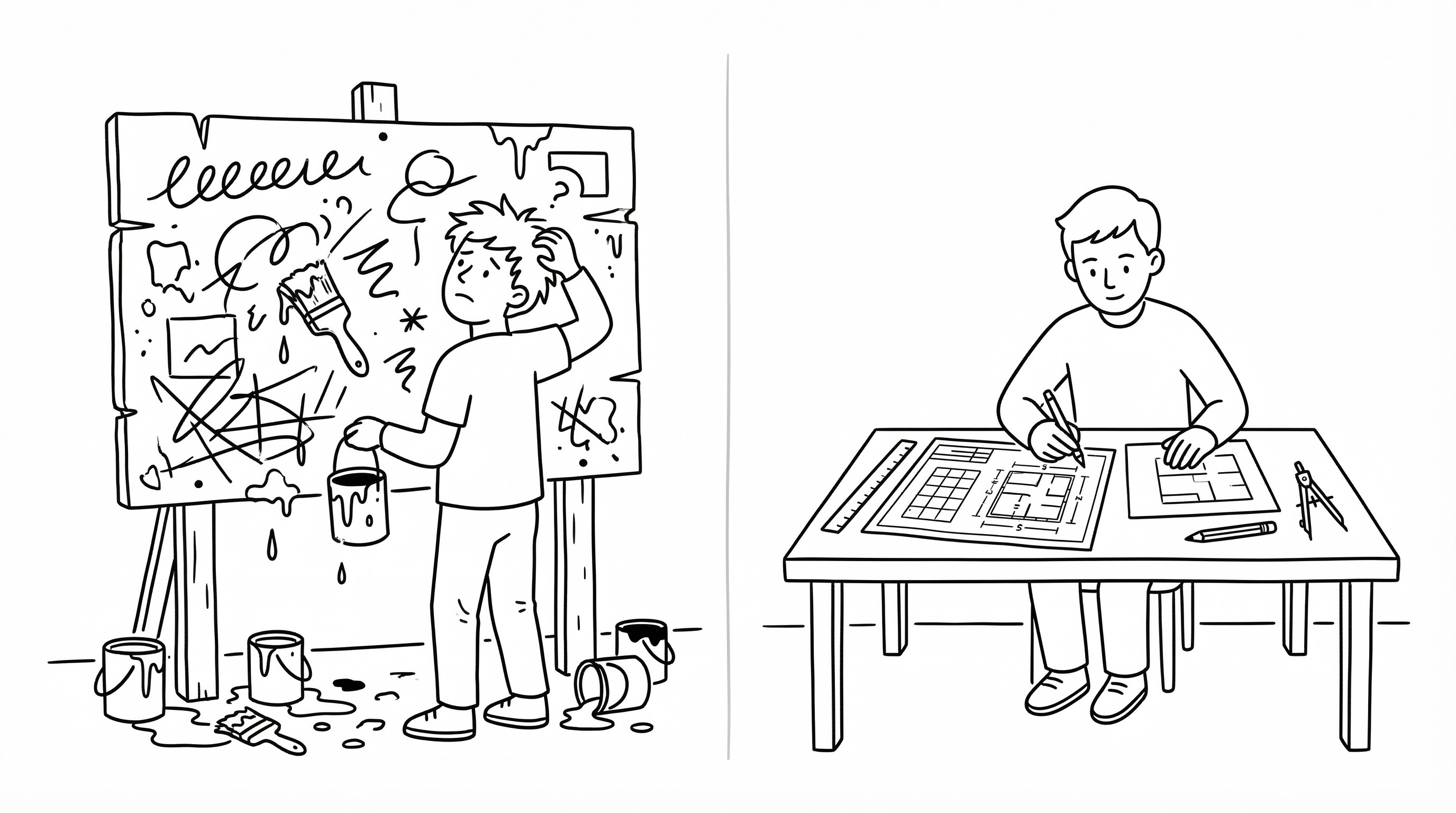
One of the most critical signals is clarity. Clear structure reduces cognitive load. When users can quickly understand what they are seeing, they feel more confident. Confusion creates hesitation, and hesitation reduces trust.
Another signal is consistency. Repetition of visual patterns creates familiarity. Familiarity is often interpreted as reliability. When a brand looks consistent across touchpoints, users assume it is stable and trustworthy.
Hierarchy also plays a role. Clear visual hierarchy guides attention. It tells the user what matters and in what order. Without hierarchy, information competes for attention. This creates friction and reduces comprehension.
Typography is one of the most underestimated elements in perception. It carries tone and intent. Precise, well-structured typography signals control and professionalism. Inconsistent or poorly chosen typography signals the opposite.
Spacing and layout contribute to perceived value. Premium brands tend to use more space, controlled density, and balanced composition. This creates a sense of confidence. Crowded layouts often signal urgency or lack of control.
Color functions as an emotional trigger. While preferences vary, consistency in color usage reinforces recognition. Random or excessive color variation weakens identity and creates noise.
Another important factor is alignment with expectations. Every category has visual norms. These norms act as a baseline for trust. Deviating too far without a clear reason creates uncertainty. Strong brands understand when to align and when to differentiate.
There is also a temporal dimension. Users do not evaluate a brand in isolation. They compare it to everything they have seen before. This creates a constantly shifting standard. Brands that fail to evolve appear outdated, which reduces perceived credibility.
A key insight is that perception is relative. A design does not need to be objectively perfect. It needs to be stronger than its alternatives. This is why competitive awareness is critical in brand design.
From a strategic perspective, the goal is not decoration. It is signal control. Every element should reinforce a specific perception. Whether that perception is precision, innovation, or reliability, it must be intentional.
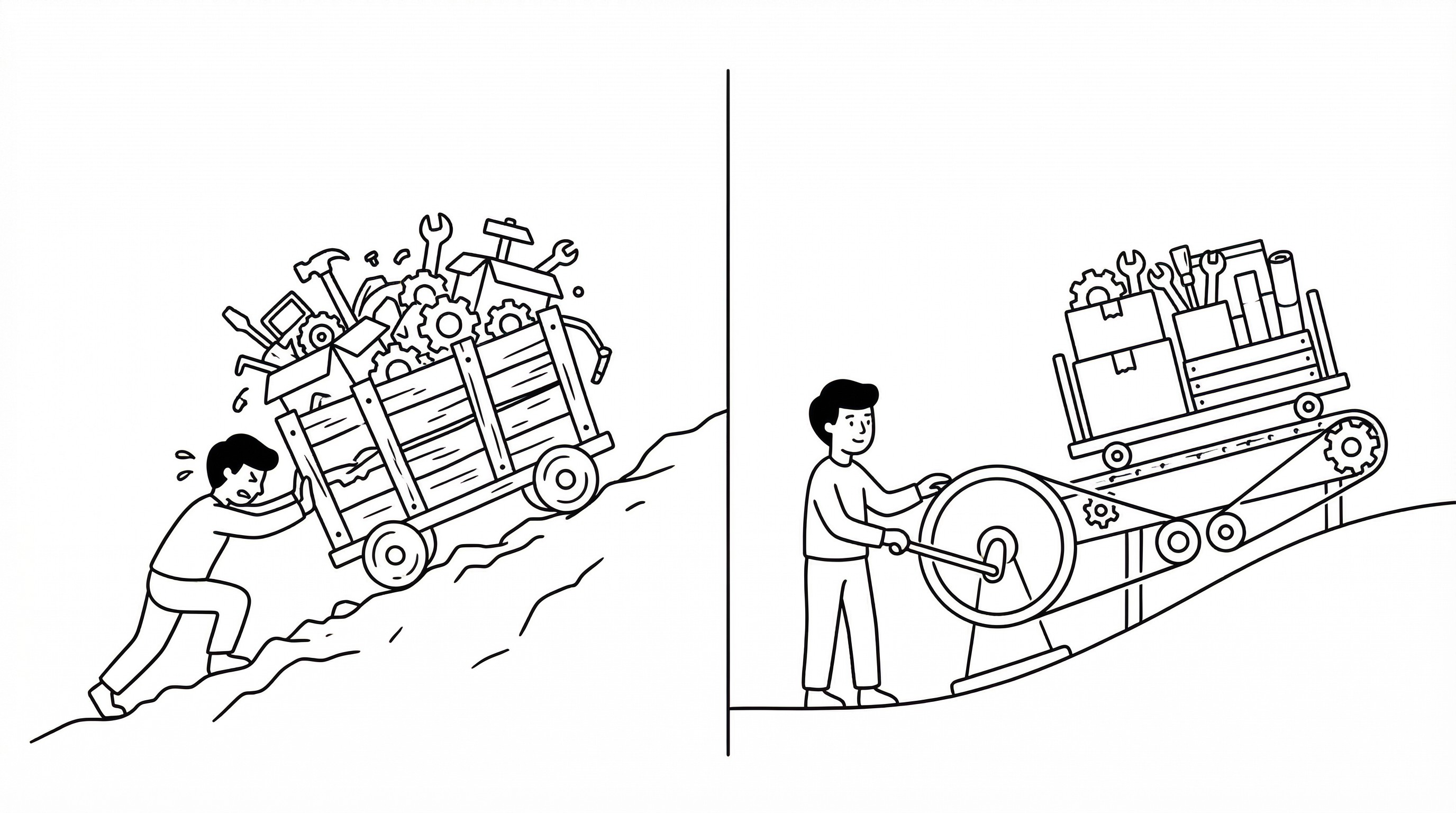
Building this level of control requires a system. Individual design decisions are not enough. The brand must operate consistently across all touchpoints. This creates a reinforcing loop. Each interaction strengthens the overall perception.
There are also risks in over-optimization. Excessive refinement can lead to sterility. A brand may appear polished but lack character. The challenge is balancing clarity with distinctiveness.
Another risk is imitation. Many brands copy surface-level aesthetics from premium companies. Without understanding the underlying logic, this creates shallow results. The brand may look similar but fail to produce the same perception.
Top-performing brands approach perception as an engineered outcome. They test, refine, and iterate based on how users respond. They treat design as a tool for shaping behavior, not just expression.
Average brands rely on intuition or trends. They make decisions based on what looks good rather than what communicates effectively. This creates inconsistency and weakens trust.
One of the highest leverage points in perception is the first impression. Small improvements at this stage can have disproportionate impact. If users trust the brand immediately, they are more likely to engage further.
Another leverage point is reduction. Removing unnecessary elements increases clarity. Simplicity is not minimalism for its own sake. It is a method for improving understanding.
It is also important to consider context. The same design may perform differently depending on where it appears. A landing page, a product interface, and a social post each have different constraints. The system must adapt without losing coherence.
Ultimately, trust is not built through a single interaction. It is reinforced over time. However, the initial perception determines whether that process even begins.
Premium brands understand this dynamic. They do not leave perception to chance. They design for it with precision. Every detail is intentional, and every signal is aligned.
In a market where attention is limited, the ability to communicate trust instantly is a competitive advantage. Design is the mechanism that enables this.
The difference between average and premium brands is not just what they offer. It is how quickly they are understood. Perception determines that speed. And design controls perception.