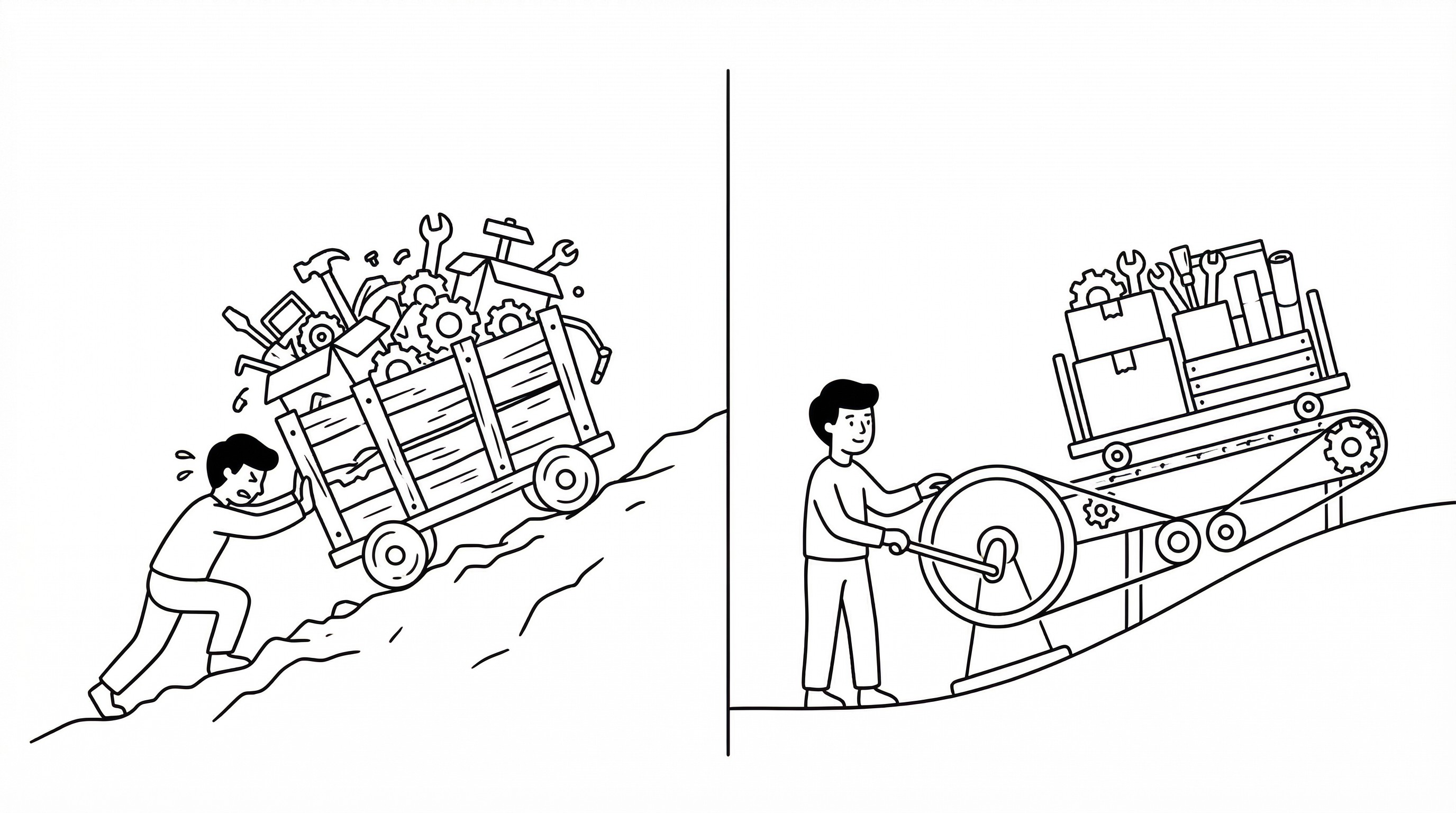
From UI Components to Growth Engine: Turning Design into a Business Asset
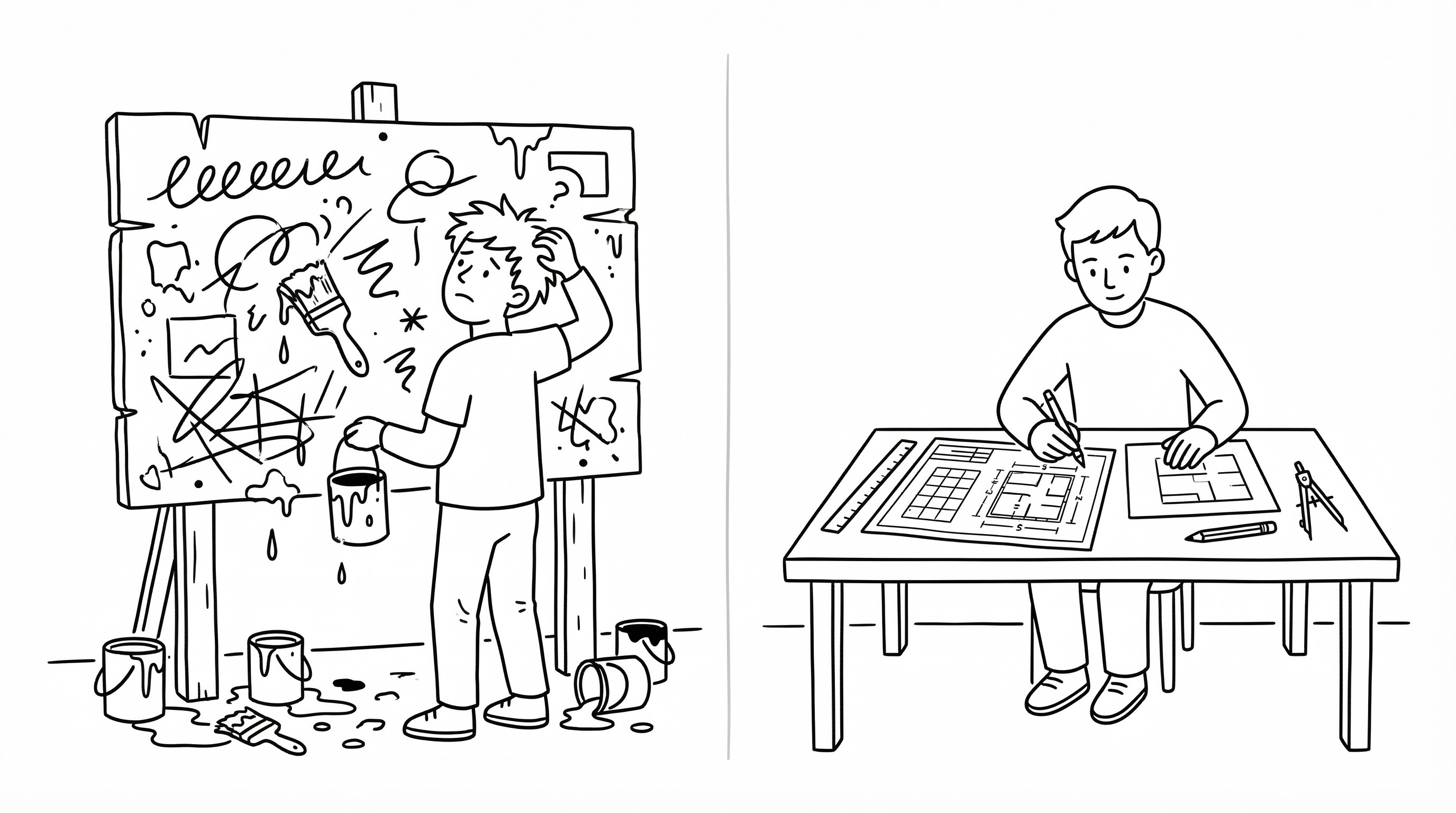
Design is often positioned as a final layer. It is brought in after product requirements are defined and engineering is already in motion. In this model, design is reactive. It responds to decisions rather than shaping them.
This limits its impact.
In high-performing organizations, UX/UI design operates differently. It is not treated as output. It is treated as infrastructure. It sits upstream in the decision-making process and influences how the business builds products, communicates with users, and scales operations.
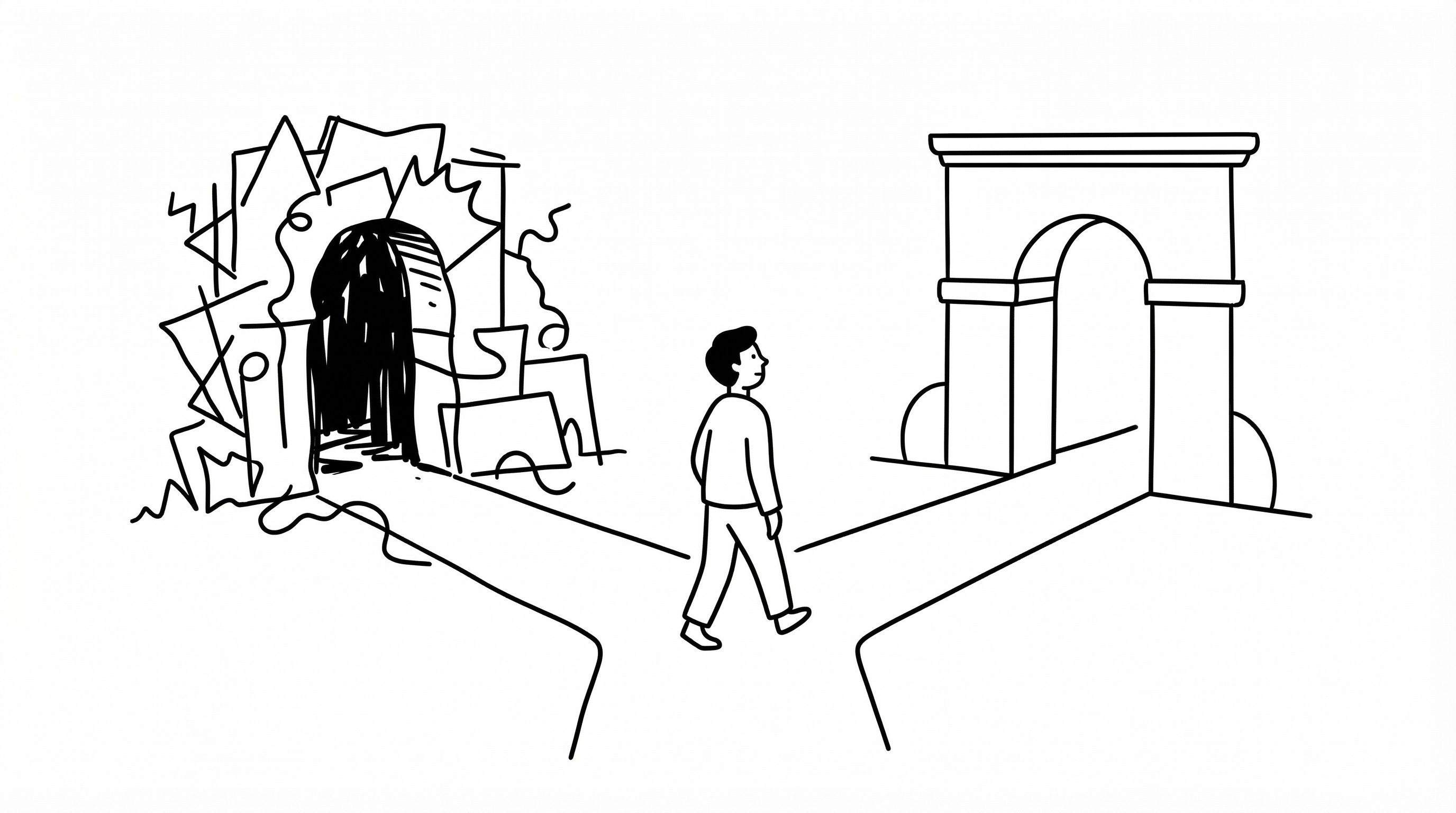
The distinction is critical. When design is reactive, it optimizes screens. When it is proactive, it shapes outcomes.
The shift begins with how UX/UI design is integrated into the organization. In most companies, design is siloed. It is seen as a support function for product or engineering. This creates fragmentation. Each team uses design differently, leading to inconsistent user experiences.
A growth-oriented approach positions UX/UI as a unifying system. It connects product, engineering, marketing, and sales through a shared interface language and interaction framework. This alignment reduces friction and increases speed.
At the core of this system is a structured design system. Not just a set of components, but a defined logic. This logic governs how interfaces behave across different contexts. It ensures that every user interaction reinforces the same product experience.
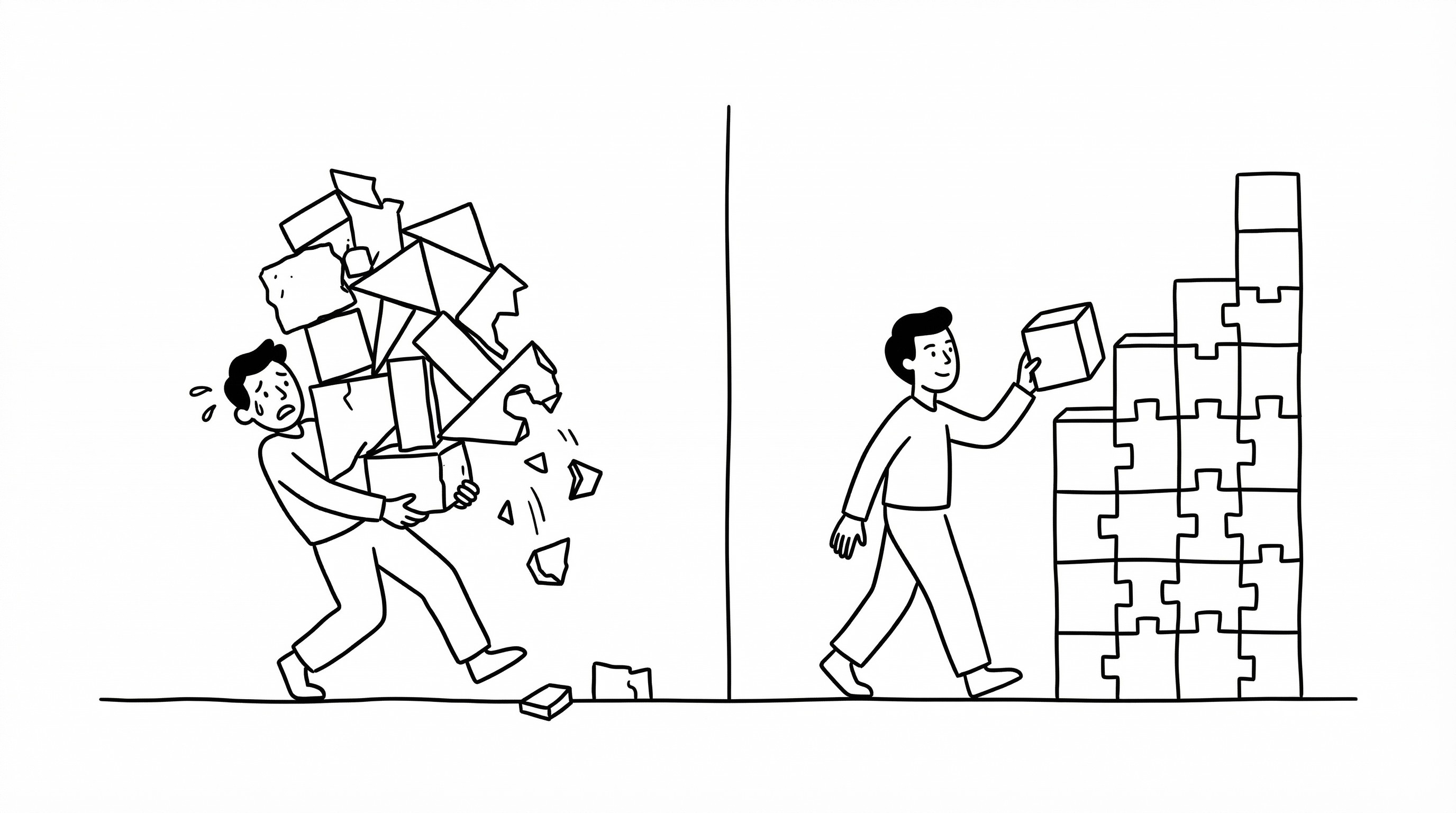
The impact of this structure becomes visible in execution. Product features become faster to build because the component library is already defined. User interfaces become more intuitive because interaction patterns are consistent. Marketing landing pages become more effective because they align with the product experience.
Another layer of impact is decision-making. A strong design system reduces ambiguity. Product managers and engineers do not need to debate every spacing or interaction choice. The system provides direction. This accelerates workflows and reduces internal friction.
There is also a compounding effect. As the system is used repeatedly, it becomes more refined. Patterns are tested, user feedback is incorporated, and components are improved. Over time, the product becomes more coherent and development becomes more efficient.
From a growth perspective, this creates leverage. The company can scale output without scaling complexity. New features, products, and platforms can be launched without reinventing the interface each time.
A key component in this process is modularity. The design system should be built from flexible components that can be combined in different ways. This allows for variation across features without losing consistency. It balances creativity with control.
Another important factor is accessibility. The system must be usable by engineers and product managers. If it requires constant designer involvement for implementation, it becomes a bottleneck. Clear documentation, reusable code components, and practical examples are essential for adoption.
There is also a cultural dimension. For UX/UI design to function as a growth engine, it must be valued at a strategic level. Leadership needs to recognize its role in shaping user experience, retention, and conversion. Without this alignment, the system will not be fully utilized.
A common mistake is over-engineering. Some design systems become too complex to use effectively. This creates resistance and reduces adoption. The goal is not to cover every possible edge case. It is to provide clear, usable rules for the most common interaction patterns.
Another risk is treating the system as static. Products evolve, and user needs change. A strong design system allows for controlled evolution. It maintains core interaction principles while adapting to new requirements.
From an operational standpoint, governance is essential. There must be processes that maintain quality over time. This can include design reviews, component version control, and feedback loops between design and engineering. Without governance, even strong systems degrade.
The difference between average and high-performing companies is how they view design investment. Average companies focus on deliverables. They measure output in terms of screens designed. High-performing companies focus on capability. They invest in systems that improve how the organization builds and ships products.
One of the highest leverage points is integration. When UX/UI design is embedded into product development workflows, its impact multiplies. It influences not just how interfaces look, but how features are scoped, built, and shipped.
Another leverage point is consistency. Consistent interaction patterns reduce user confusion and build trust. They also reduce the need for constant redesign, saving time and development resources.
There are also misconceptions. One is that design systems limit creativity. In practice, they enable it by removing repetitive decisions. Designers and engineers can focus on solving higher-level user problems rather than rebuilding basic components.
Another misconception is that only large companies need structured design systems. In reality, early-stage startups benefit the most. Building the system early prevents fragmentation as the product grows and the team expands.
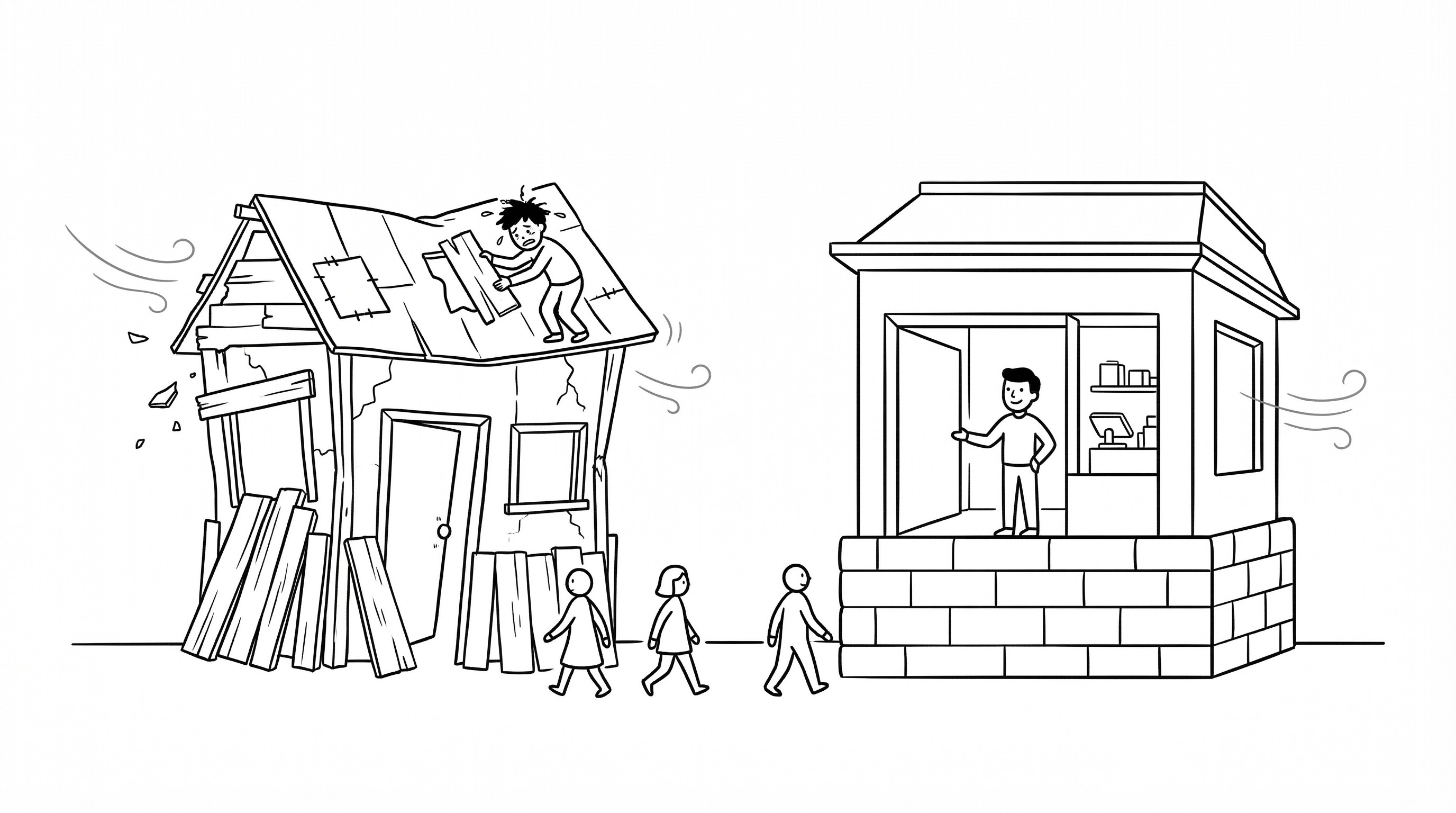
From a strategic perspective, the goal is to transform UX/UI design from a cost center into a business asset. An asset generates value over time. It improves development efficiency, strengthens user experience, and supports sustainable growth.
This requires a shift in mindset. UX/UI design is not something you apply at the end of development. It is something you build into the foundation from the start.
When done correctly, great UX becomes invisible in the best way. It does not draw attention to itself. Instead, it enables users to accomplish their goals effortlessly and allows the business to move faster.
The companies that understand this gain a structural advantage. They ship faster, retain users longer, and scale more efficiently.
Turning UX/UI design into a growth engine is not about designing more screens. It is about building systems that make every part of the product development process work better.