The Psychology Behind Premium UX/UI: Why Some Interfaces Feel Expensive and Others Don't
Perceived value is constructed before it is justified. Users do not first analyze an interface and then decide if it feels premium. They form an impression instantly, and that impression shapes how they interpret everything that follows.
This is why two similar digital products can exist at completely different price points and still attract different audiences. The difference is not always in the features. It is in how the interface is presented and how it feels to interact with.
Premium perception is not accidental. It is engineered through a series of controlled signals. These signals operate at a visual and interaction level, influencing how users interpret quality and trust.
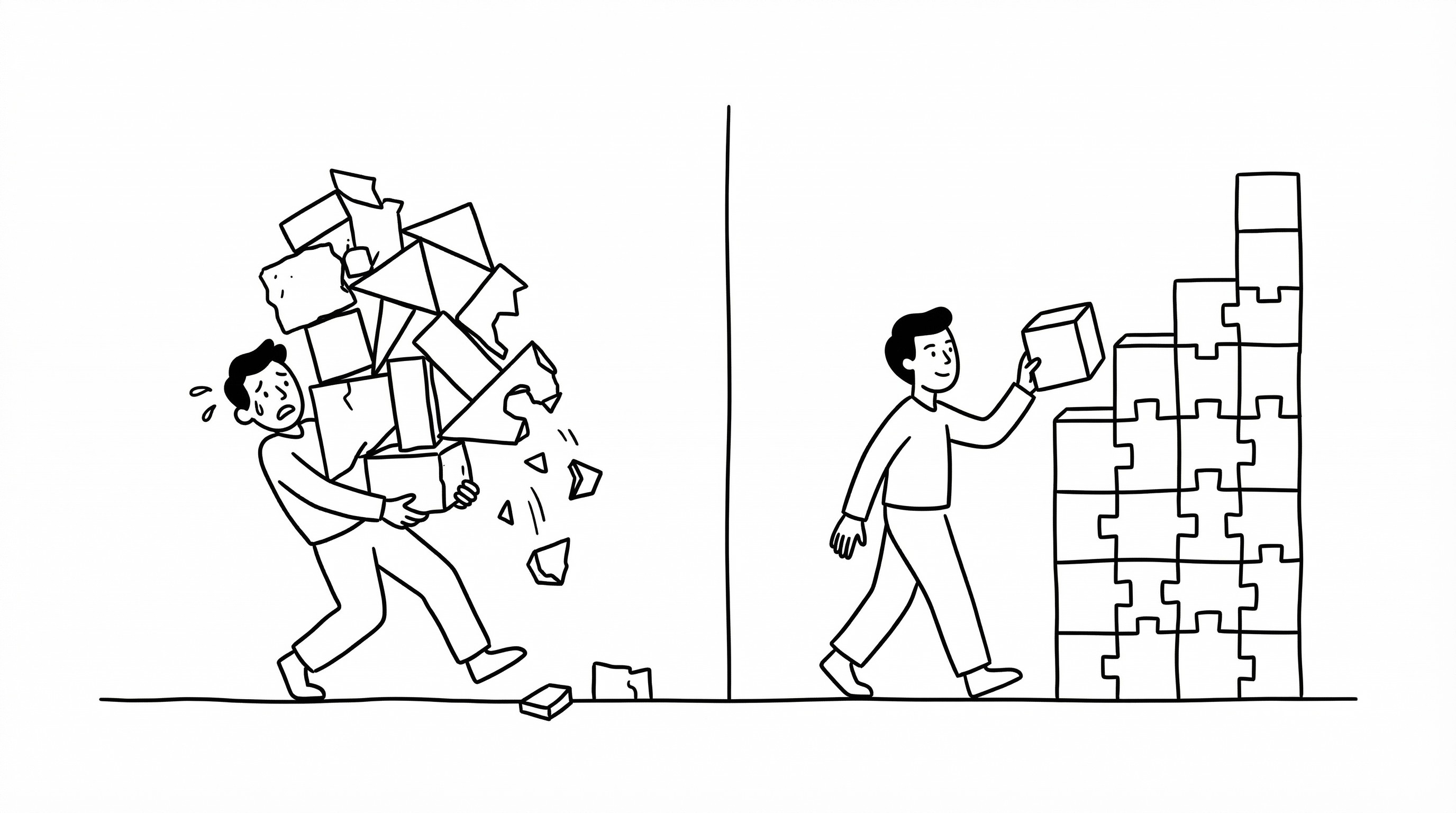
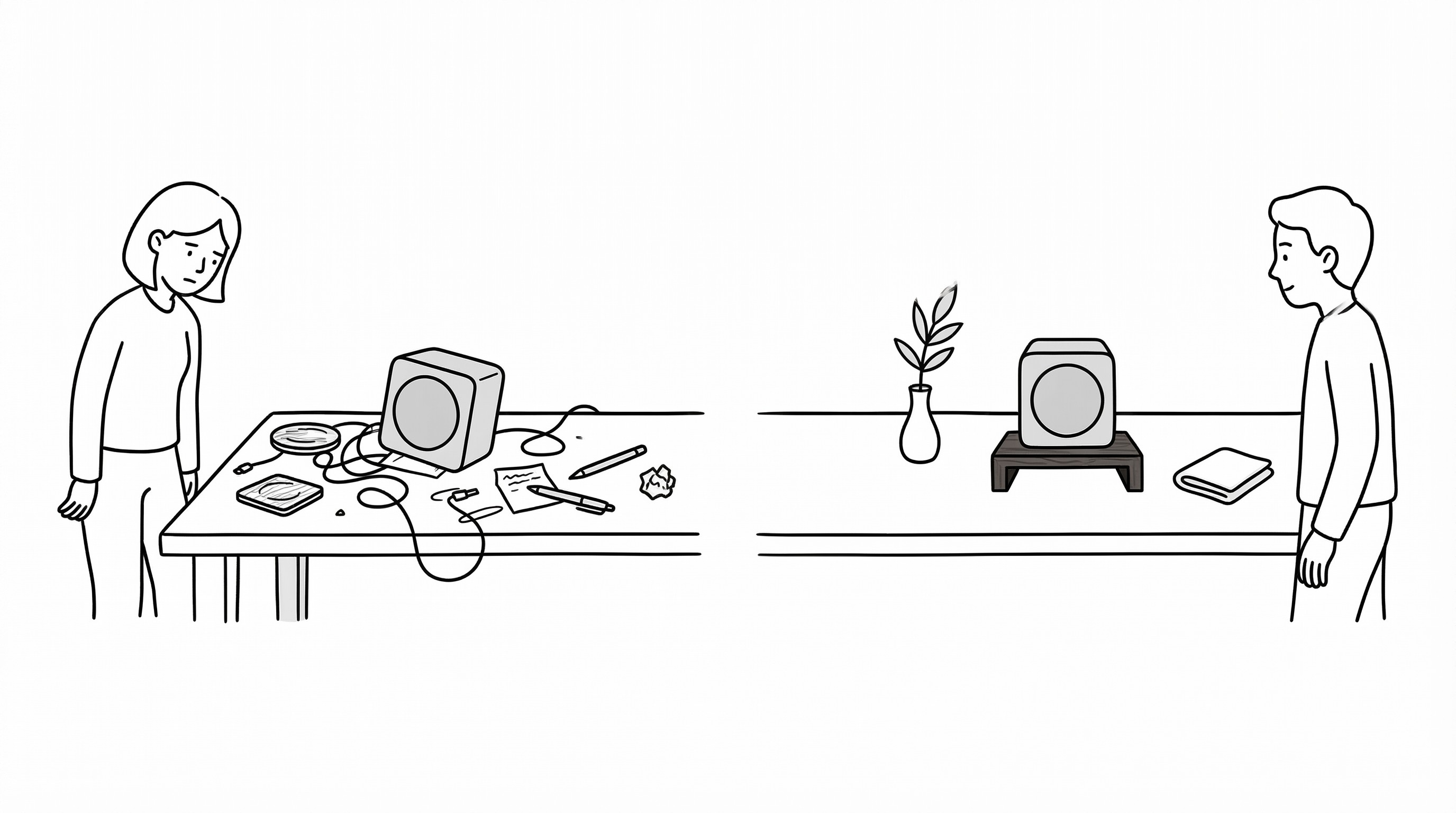
One of the primary factors is clarity. Premium interfaces reduce noise. They remove unnecessary elements, micro-interactions, and visual clutter to focus attention on what matters. This creates a sense of confidence. The product appears in control.
In contrast, lower perceived value is often associated with interface clutter. Too many components, pop-ups, and competing elements create confusion and signal a lack of direction.
Spacing is another critical element. Premium interfaces use space intentionally. They allow elements to breathe through generous margins and padding. This increases focus and creates a sense of importance. Dense, crowded layouts often signal low cost or rushed execution.
Typography plays a significant role in shaping perception. Precise, well-structured typography with clear hierarchy signals professionalism and control. Inconsistent font choices, poor line heights, or overly decorative type can reduce credibility and readability.
Alignment and balance also influence perception. When elements are aligned and proportioned correctly, the layout feels stable. Stability is interpreted as reliability. Misalignment creates subtle discomfort, even if users cannot articulate it.
Color usage contributes to emotional response. Premium interfaces tend to use controlled, restrained palettes. This creates consistency and reinforces identity. Excessive or random color use creates noise and weakens perception.
Interaction quality is a distinct factor in UX/UI. Smooth transitions, responsive feedback, and thoughtful micro-interactions signal attention to detail. Laggy animations, abrupt state changes, or unresponsive elements break the illusion of quality.
Another important factor is restraint. Premium interfaces do not try to communicate everything at once. They focus on a clear user journey and deliver it with precision. This restraint signals confidence in the product's value.
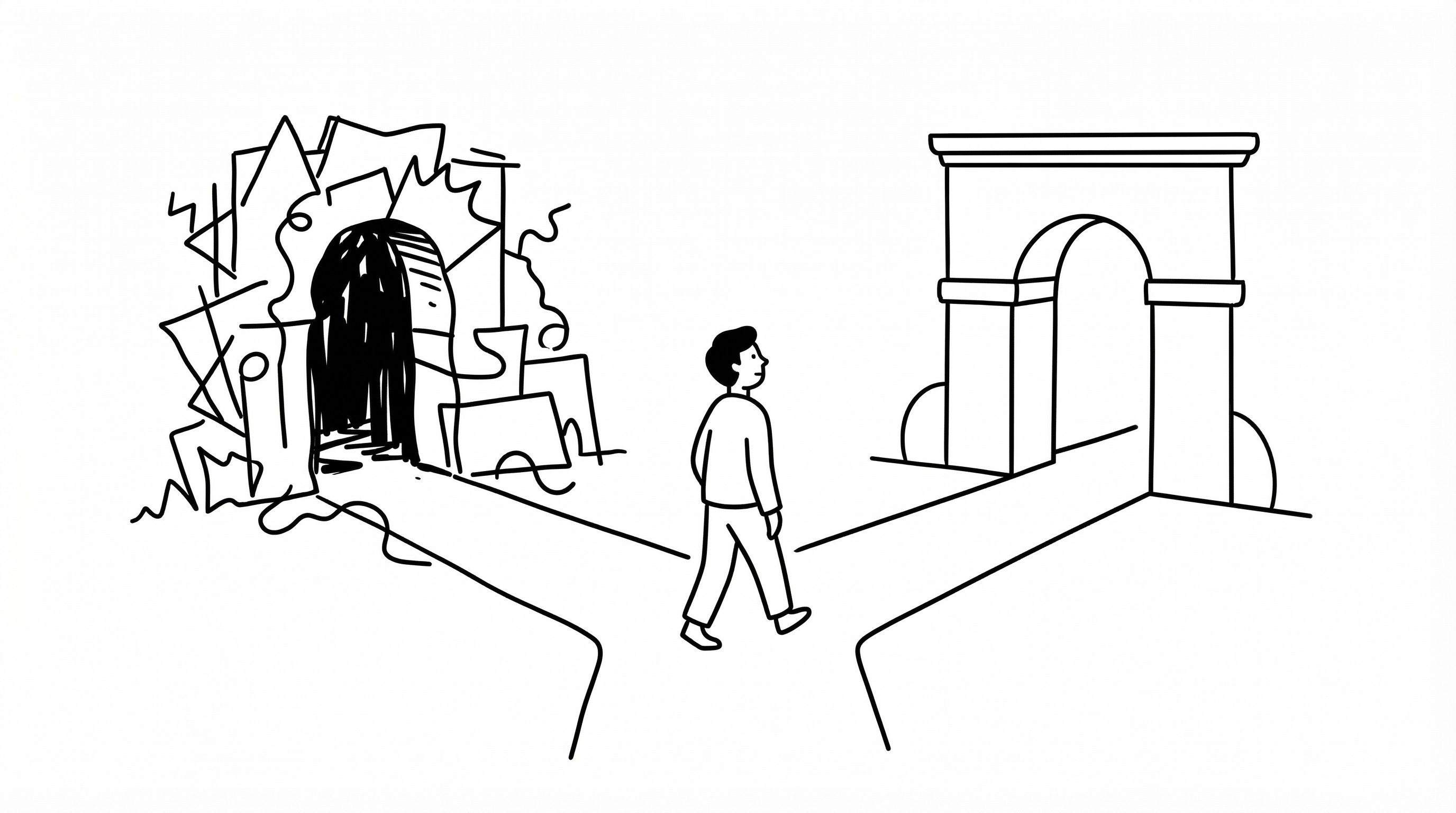
There is also a relationship between expectation and delivery. Users associate certain interaction patterns and visual cues with higher value. When an interface aligns with these cues, it meets expectations. When it deviates without purpose, it creates doubt.
At a deeper level, premium perception is tied to trust. Users are more willing to pay higher prices or remain loyal when they feel confident in the product. UX/UI design plays a key role in establishing this confidence quickly—often within the first few seconds of interaction.
A common mistake is attempting to appear premium by copying surface-level aesthetics from successful apps. This often results in shallow outcomes. Without understanding the underlying principles of hierarchy, interaction, and user psychology, the design lacks coherence.
Another mistake is overcomplication. Adding more animations, gradients, or decorative elements does not increase perceived value. In many cases, it reduces it. Simplicity, when executed with precision, signals strength and sophistication.
From a strategic perspective, premium positioning requires alignment. The product's functionality, messaging, and interface design must all reinforce the same perception. If one element contradicts the others—such as a premium visual design paired with a frustrating user flow—the illusion breaks.
Consistency also plays a role. An interface that feels premium in one section but clunky in another creates confusion. Maintaining the same level of quality across all screens, states, and touchpoints is essential.
There is also a temporal aspect. Premium perception is reinforced over time through repeated interactions. Each interaction either strengthens or weakens the signal. Consistency ensures that the perception remains stable across the entire user journey.
One of the highest leverage points is first impression. The first screen a user sees—whether a landing page, onboarding flow, or dashboard—sets the tone. Small improvements in visual clarity, load time, and interaction smoothness can significantly impact how users perceive value.
Another leverage point is reduction. Removing unnecessary steps, fields, and interface elements increases focus and improves perception. This is often more effective than adding new features.
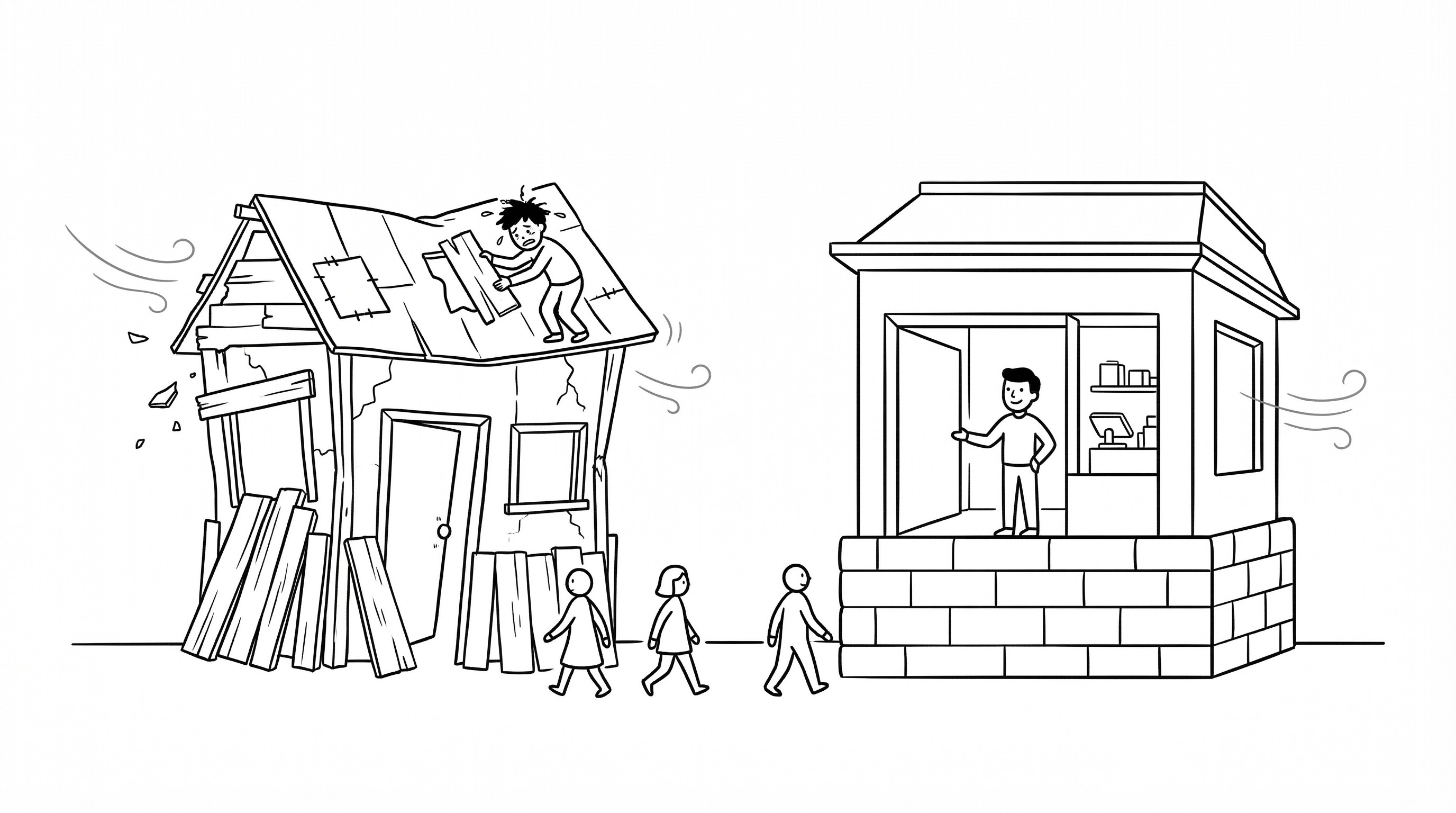
There are risks in pursuing premium perception without substance. If the interface signals high quality but the core functionality is broken or slow, trust is quickly lost. Alignment between perception and reality is critical.
Another risk is over-refinement. A digital product can become too sterile, losing character and human touch. The goal is to balance precision with approachability.
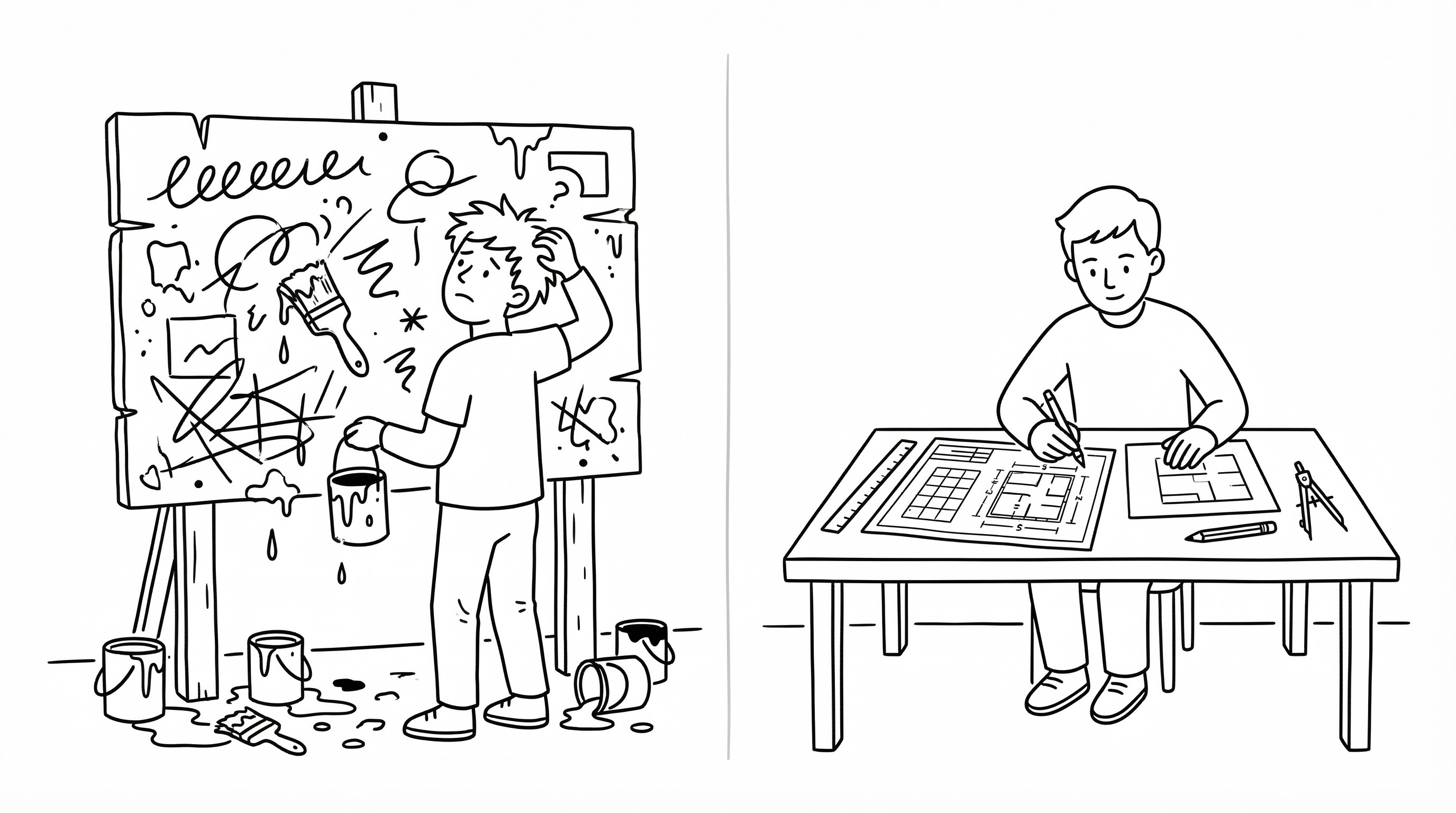
Top-performing products understand that perception drives behavior. They design every interaction and visual element to reinforce the desired signal. They do not leave interpretation to chance.
Average products rely on design trends or personal preference. They focus on what looks good in a mockup rather than what communicates value through usability and trust. This leads to inconsistent results.
Ultimately, premium is not a visual style. It is a perception. And perception is controlled through design decisions—from information architecture to micro-interactions.
The interfaces that feel expensive are not necessarily more complex. They are clearer, more consistent, more responsive, and more intentional. That is what users respond to.
UX/UI design does not just present value. It defines it.