Redesigning Without Losing Usability: A Strategic Framework for Growth-Stage Products
Redesigning is often treated as a fresh start. Product teams assume that changing their interface will automatically reposition them in the market or fix deep-rooted usability issues. In practice, this approach creates more risk than advantage.
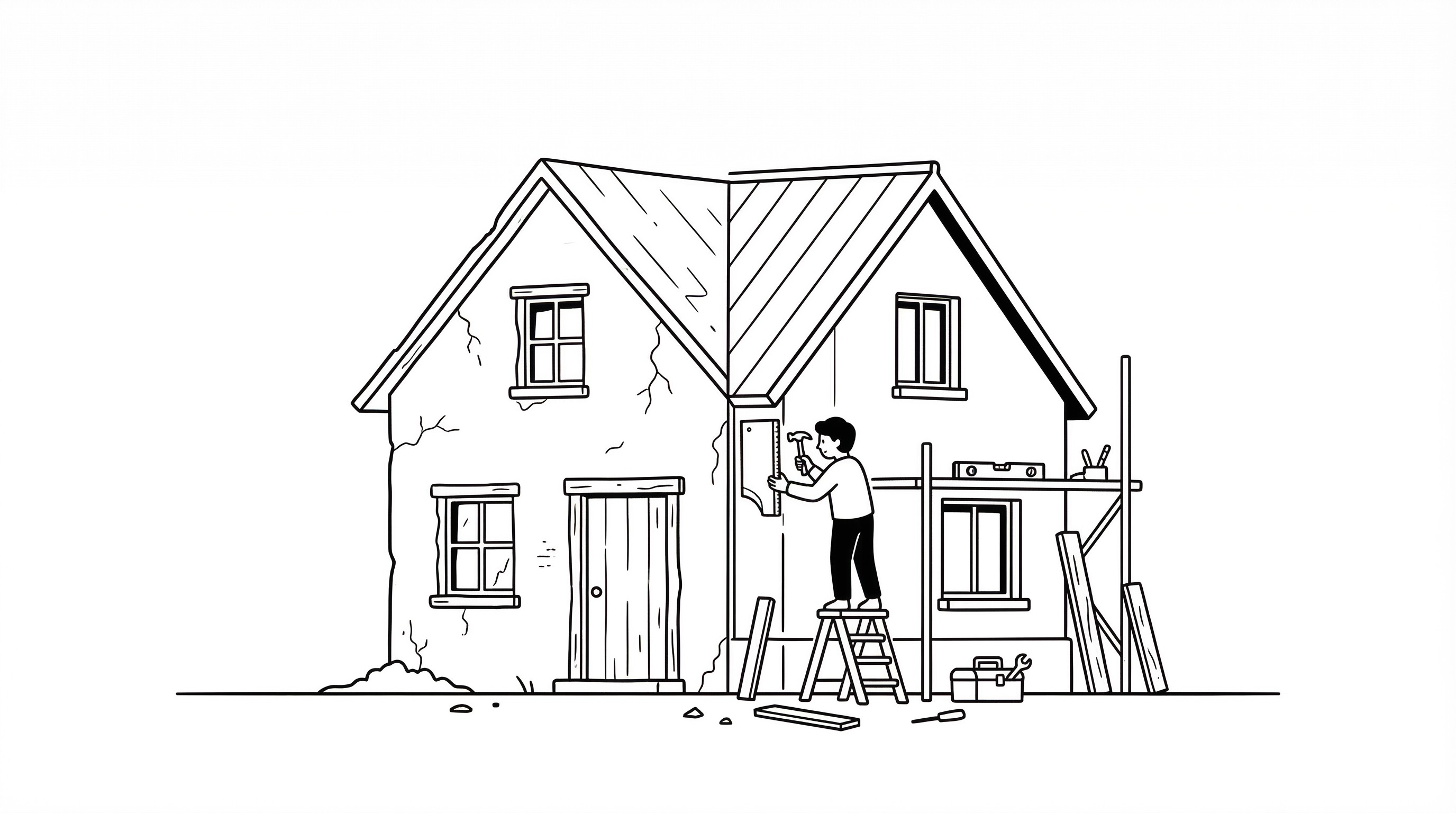
A product interface is not just a visual layer. It is an accumulation of user habits, mental models, and trust built over time. Every interaction, flow, and micro-copy contributes to this relationship. When a company redesigns, it is not starting from zero. It is modifying an existing structure that users have already learned.
The challenge is not creating something new. It is evolving without losing what already works.
This is where many redesigns fail. They prioritize change over continuity. In an attempt to appear modern or differentiated, they remove familiar interaction patterns that users rely on. This creates confusion and friction.
Product equity is built on recognition and ease of use. When key workflows are altered or removed too aggressively, that equity is weakened. Users may no longer understand how to complete tasks or may question the product's reliability.
At the same time, maintaining the status quo is not a viable strategy. Markets evolve. Competitors improve. User expectations shift. Products need to adapt to remain relevant and competitive.
This creates a tension between preservation and change. Managing this tension is the core challenge of redesigning.
The first step is identifying what should not change. Not all elements of a product carry equal weight. Some patterns are deeply embedded in user behavior. These may include navigation structure, primary action placements, or familiar terminology.
Understanding which elements hold user equity requires analysis. This can include usability testing, session recordings, analytics data, and user feedback. The goal is to isolate the components that drive efficiency and trust.
The second step is defining the reason for change. Redesigning should not be driven by aesthetics alone. It should respond to a strategic or user-centered need. This could be a new feature set, changing user demographics, scalability issues, or identified usability bottlenecks.
Without a clear reason, the redesign becomes arbitrary. It may look different, but it does not solve any underlying problem.
The third step is controlled evolution. Instead of replacing the entire interface, the focus should be on refining and strengthening it. This can involve improving information architecture, updating component systems, reducing cognitive load, and removing inconsistencies.
The goal is to make the product feel more precise and more capable, not entirely unfamiliar.
Another important factor is transition. Redesigning does not happen instantly in the user's mind. There is a period of adjustment. During this time, consistency is critical.
Gradual rollouts can help reduce friction. Introducing changes in phases, using feature flags, or running A/B tests allows users to adapt without losing recognition.
Communication also plays a role. Users should understand why changes are happening and how they benefit from them. Release notes, tooltips, and onboarding flows build trust and reduce resistance.
There is also an internal dimension. Engineering, product, and design teams need to adopt the new system effectively. If the redesign is not implemented consistently across all platforms and touchpoints, it creates fragmentation.
Governance is essential. Clear documentation, component libraries, and quality assurance ensure that the new interface is applied correctly across web, mobile, and other surfaces.
A common mistake is focusing too much on the visual outcome and not enough on the underlying system. A redesign is not just a new look. It is an opportunity to fix structural issues.
This includes improving design system scalability, simplifying development handoffs, and aligning cross-functional teams. Without addressing these factors, the new interface will face the same problems as the old one.
Another risk is overcorrection. In an effort to modernize, product teams may adopt UI trends that do not align with their users' needs or context. This creates short-term novelty but long-term usability issues.
The most effective redesigns are subtle but meaningful. They improve clarity, strengthen task completion, and enhance accessibility without disrupting recognition.
From a strategic perspective, the goal is continuity with improvement. The product should feel familiar but more refined.
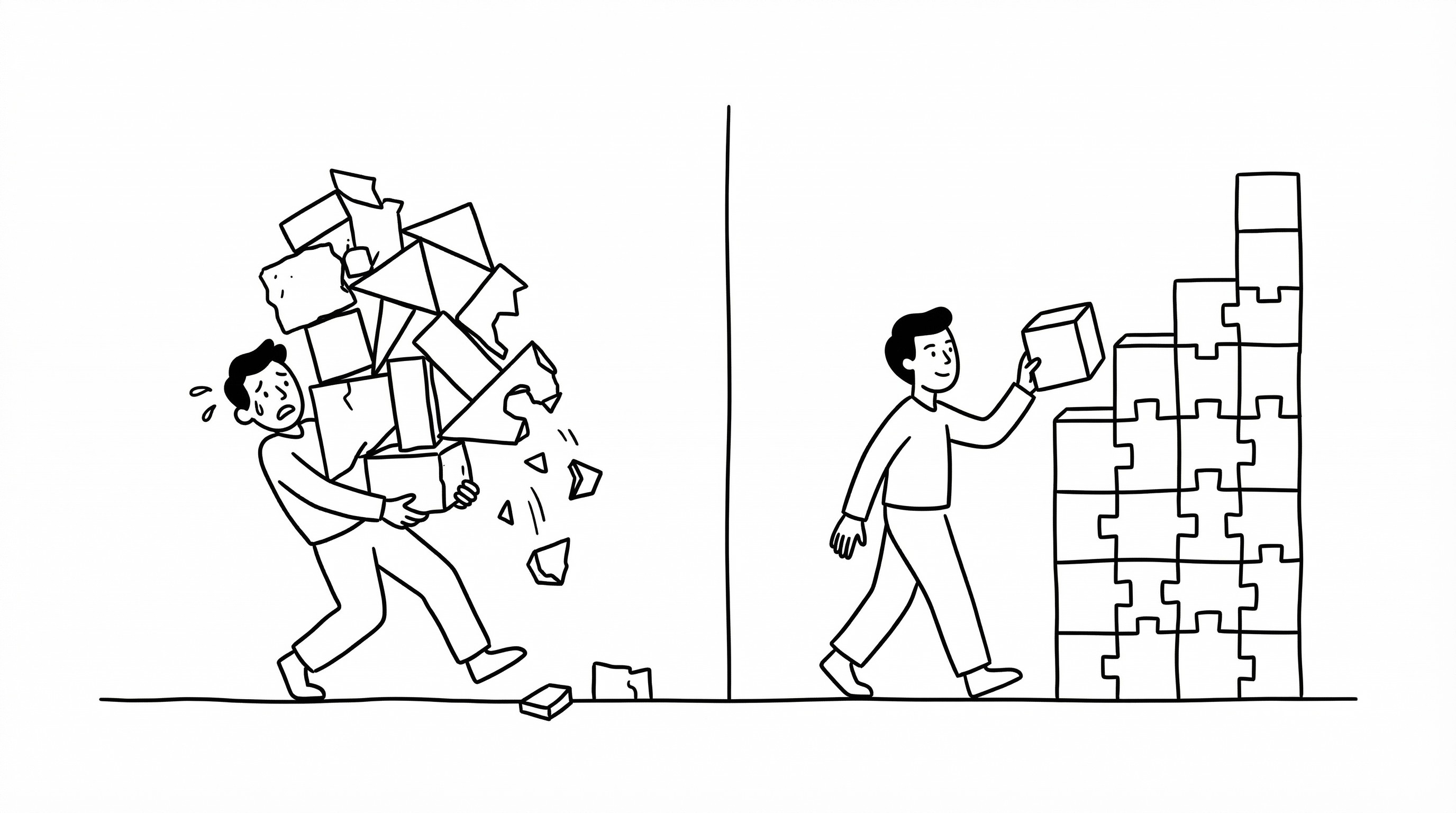
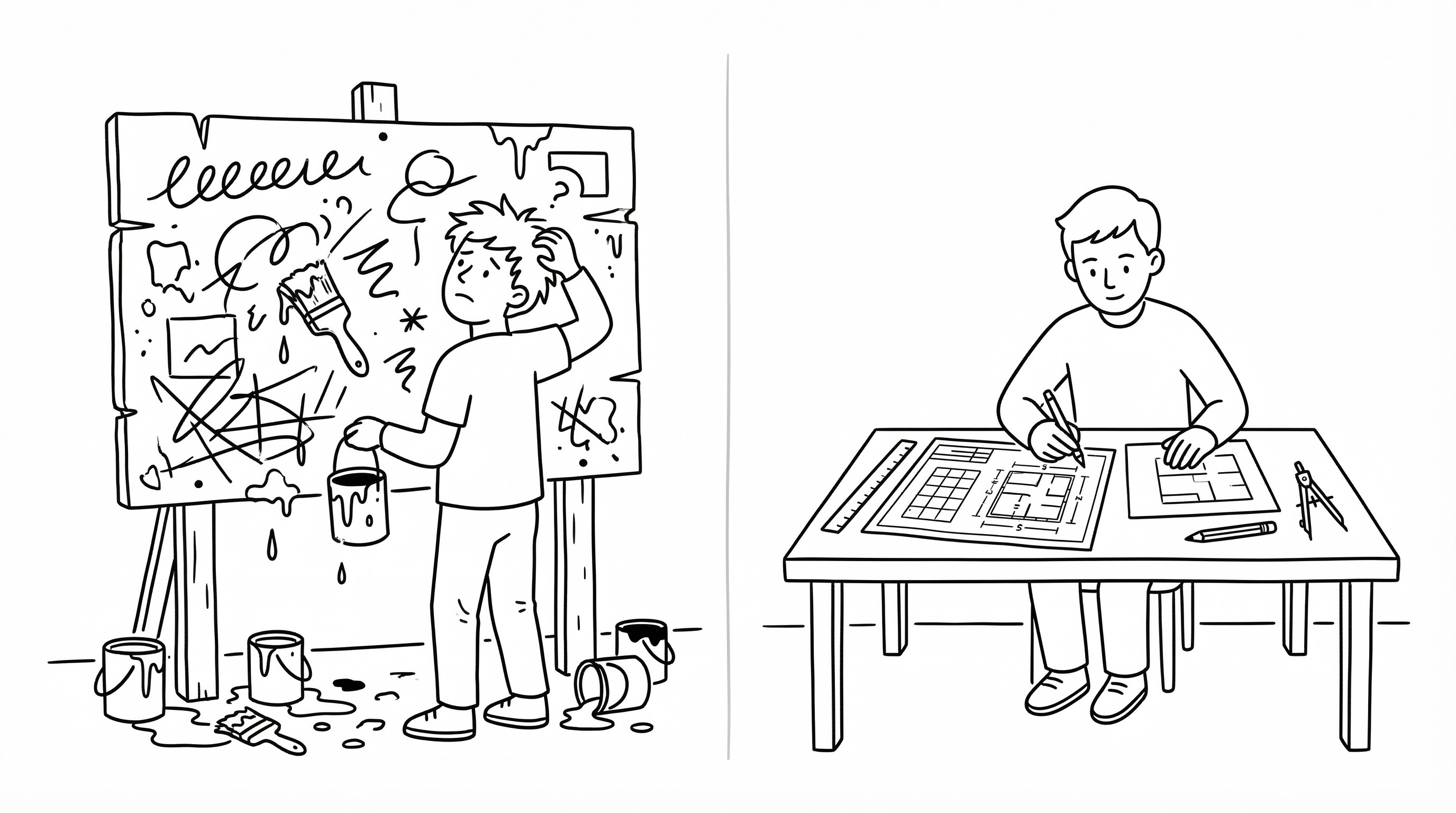
Top-performing product teams approach redesign with discipline. They analyze what works, define what needs to change, and execute with precision through iterative testing.
Average teams treat redesign as a creative exercise. They focus on visual novelty rather than strategic alignment or user research.
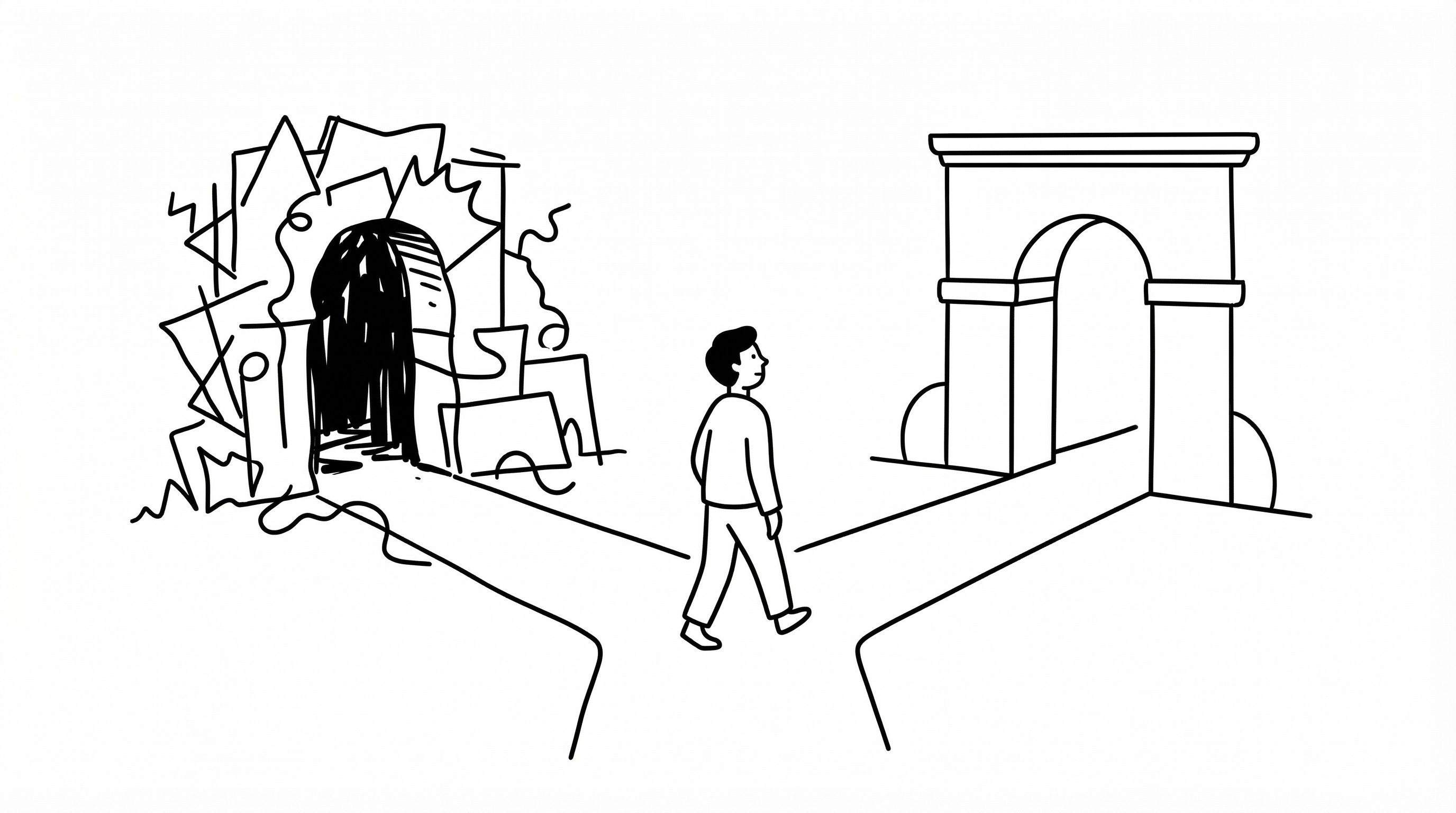
The difference becomes clear in the outcome. Strong redesigns feel like a natural evolution. Weak redesigns feel disconnected from the product's history and user expectations.
One of the highest leverage points is simplification. Removing unnecessary complexity improves both usability and development efficiency.
Another leverage point is alignment. Ensuring that the new interface reflects the current product strategy and user needs creates coherence across the business.
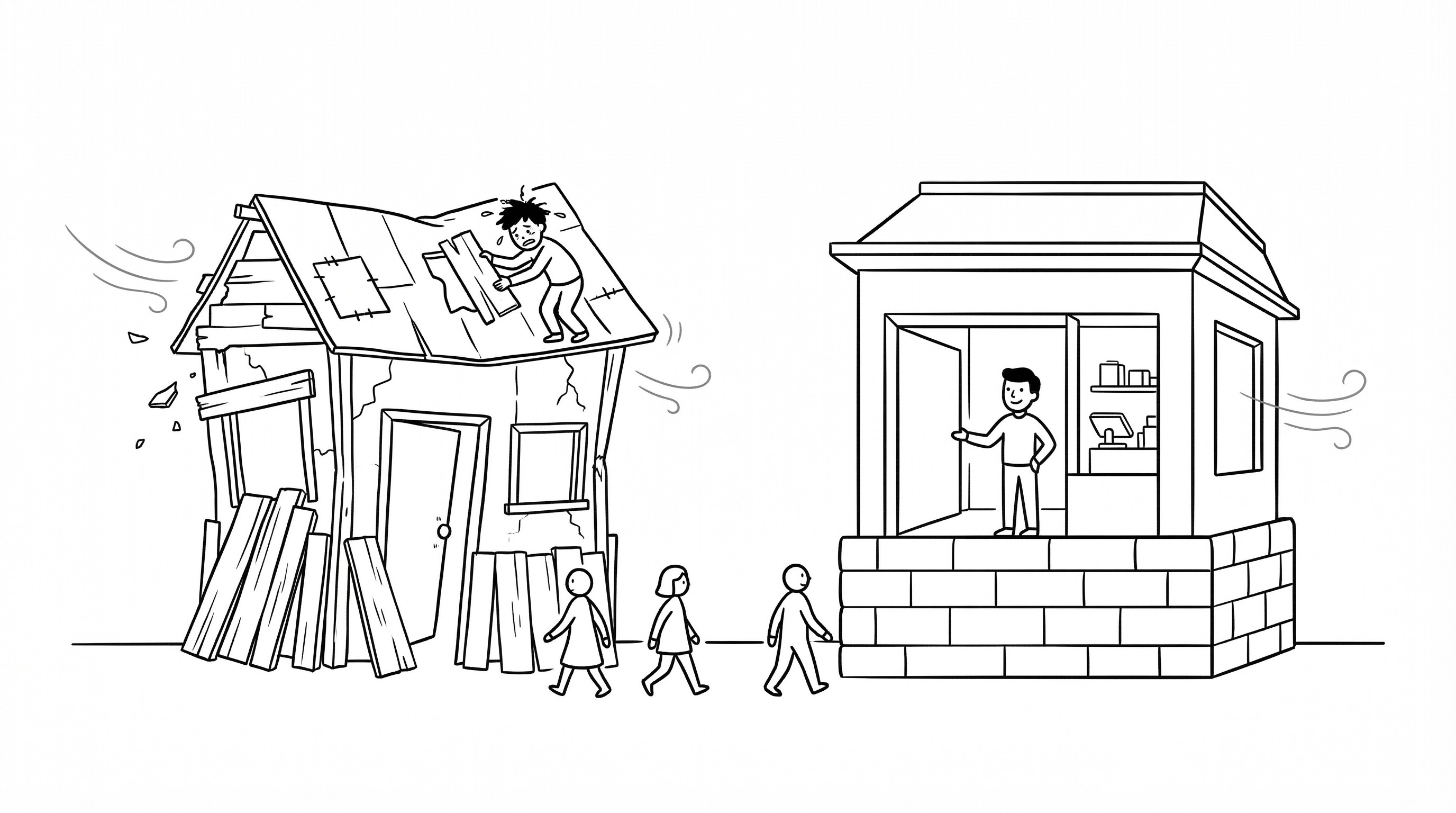
Redesigning is not about change for its own sake. It is about adapting while preserving value.
The products that succeed are those that understand what to keep, what to refine, and what to remove.
That balance is what protects user trust while enabling growth.